Lab notebook
Lab notebook
Note 1Roman streets for more tasteful autoresearch [note-0047]
Note 1Roman streets for more tasteful autoresearch [note-0047]
Feynman autoresearch has 8k stars on GitHub and already 1k forks from various dissatisfied users, showing a strong need for improvement; In an average session of using Feynman, 4 agents including the reviewer, verifier and writer agents coordinate sequentially, progressing from skill -> prompts -> generating new code -> plans -> notes -> drafts -> final outputs, spending around 30k tokens per topic and still not reach Meaningful Progress while being slow and verbose.
One can use a parallel from Roman street networks since they are engineering spectacles. If some agent has already explored this topic space, streets with wider paths and directions should be constructed to avoid independent and identical exploration by a future agent. When a connection is bad, roads can be demoted from viae publicae to viae vicinales, marked as dead-ends or topics could be tossed into the sewers. When needed, shortcuts between roads could be created.
First a primary SQL database can store certain edges and vertices of the research space. Then, new roads can be built using PyTorch geometric and Mikhail Galkin's work.
Suppose Feynman agent is set off to research "Scaling laws for Neural Language Models" and it thinks "neuro" and "what becomes bottleneck in BCIs as number of electrodes grows" and then "Physical Principles for Scalable Neural Recordings". After Feynman has thought about this, future agents don't need to walk every cobblestone. They can just jump directly from "scaling laws" to "physical principles ..." through a weird structural/analogical street compared to a citation graph or semantic embeddings. This would be faster and more memory efficient. A weaker street between the two topics is "Dario Amodei". Although he is an author on both papers, this "common author" street does not inform why the previous road is intellectually interesting. This is one path that present autoresearch often takes. Graphs contents are differentiable and trainable. If taking certain routes repeatedly leads to good research, gradient descent can teach the model to prefer these roads.
Note 2The rwx cycle [note-0048]
Note 2The rwx cycle [note-0048]
Autoresearch weaponization to ingest hundreds of papers in hours, run in-silico experiments, and write up 5000 words in an afternoon when you're too broke to afford journal subscriptions. Tested and true.

Note 3Hacking the backrooms [note-0019]
Note 3Hacking the backrooms [note-0019]
On a fortunate evening, a friend and I retired from the augmentation lab office for shabbat and he suggested visiting our mutual's place. This particular building had a rooftop that was only accessible by card holders
We entered the building with monster energy drink in hand and headed to the elevator. The 35th floor was of course, gated. Disappointed, we travelled to the -3 floor finding ourselves in negative space. We headed back up and started randomly walking until our feet took us to the third floor.
At this point we checked the elevator from 3, which was still gated. Around us a set of stairs reached up to the 25th floor.
We backtracked again to enter the 24th floor and then proceeded into a new set of stairs that went up to the 37th floor. the door to the 35th floor, however was locked. we were about to leave the building via the 34, but I just randomly opened a few doors and there was yet another stairway. major success. I found a door that had blinking colours--it is open.
successfully entered the coworking lounge and rooftop on 35th floor 🤣 hooray.
Note 4Chem-0 [note-0008]
Note 4Chem-0 [note-0008]
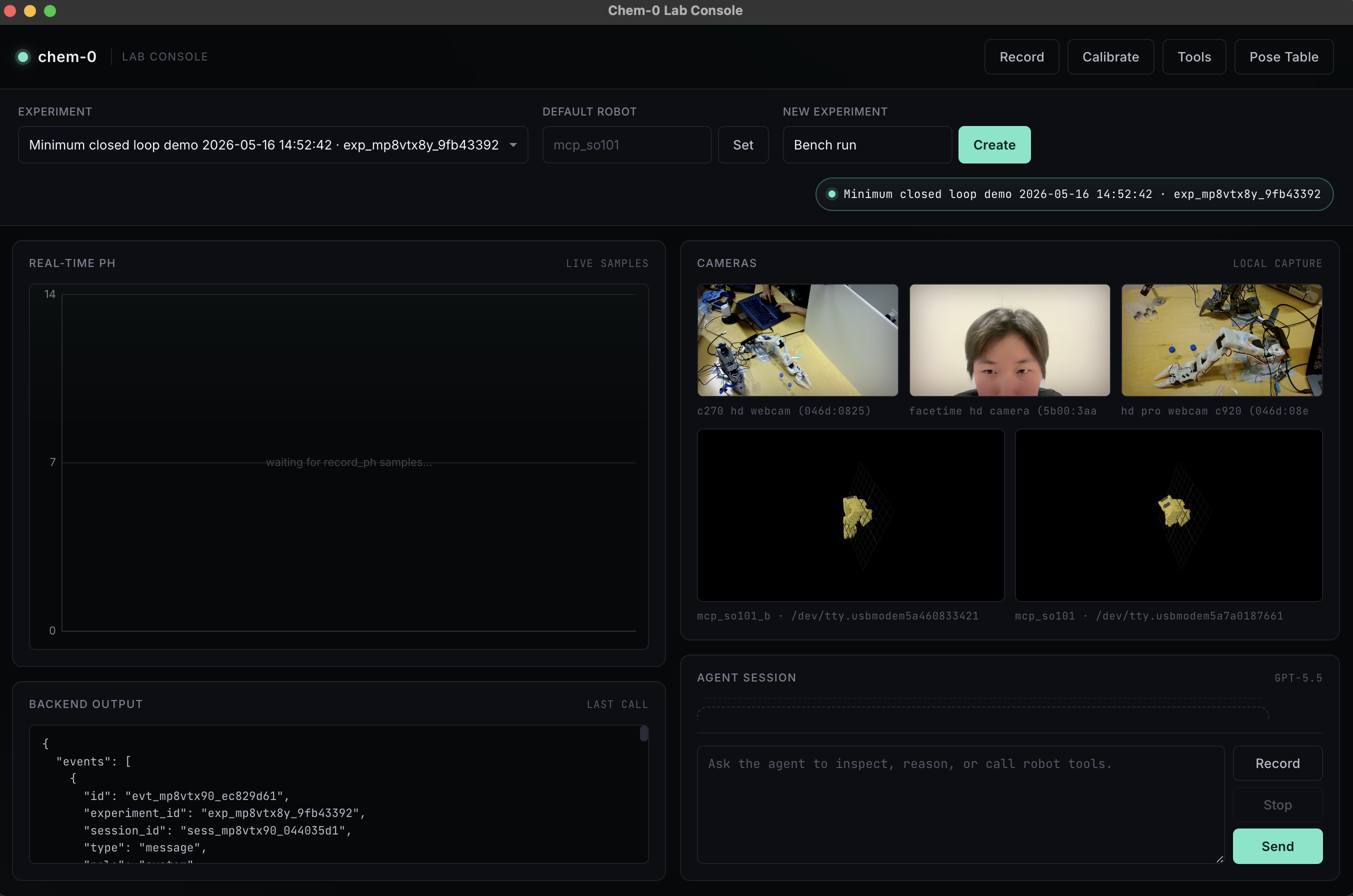
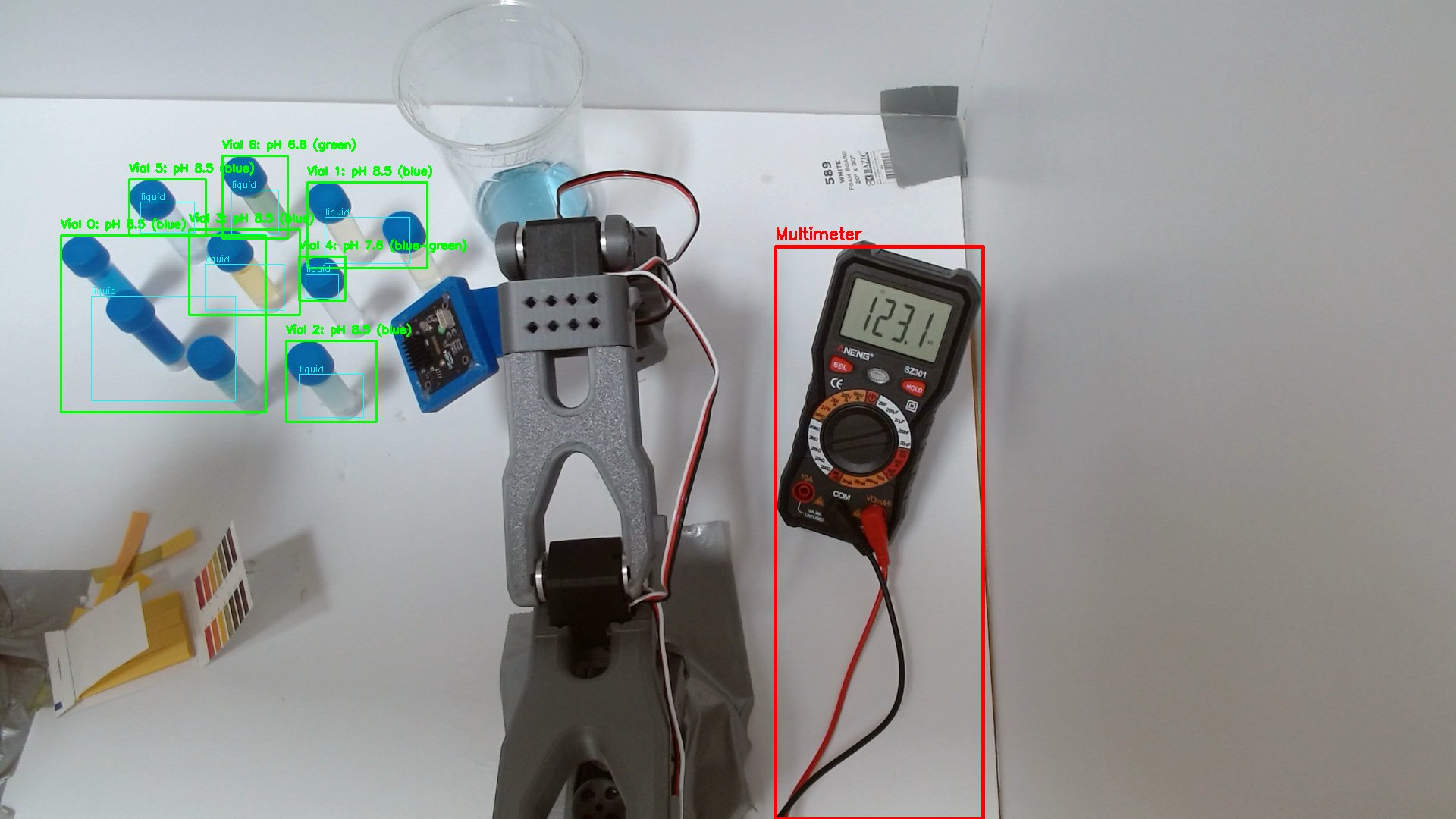
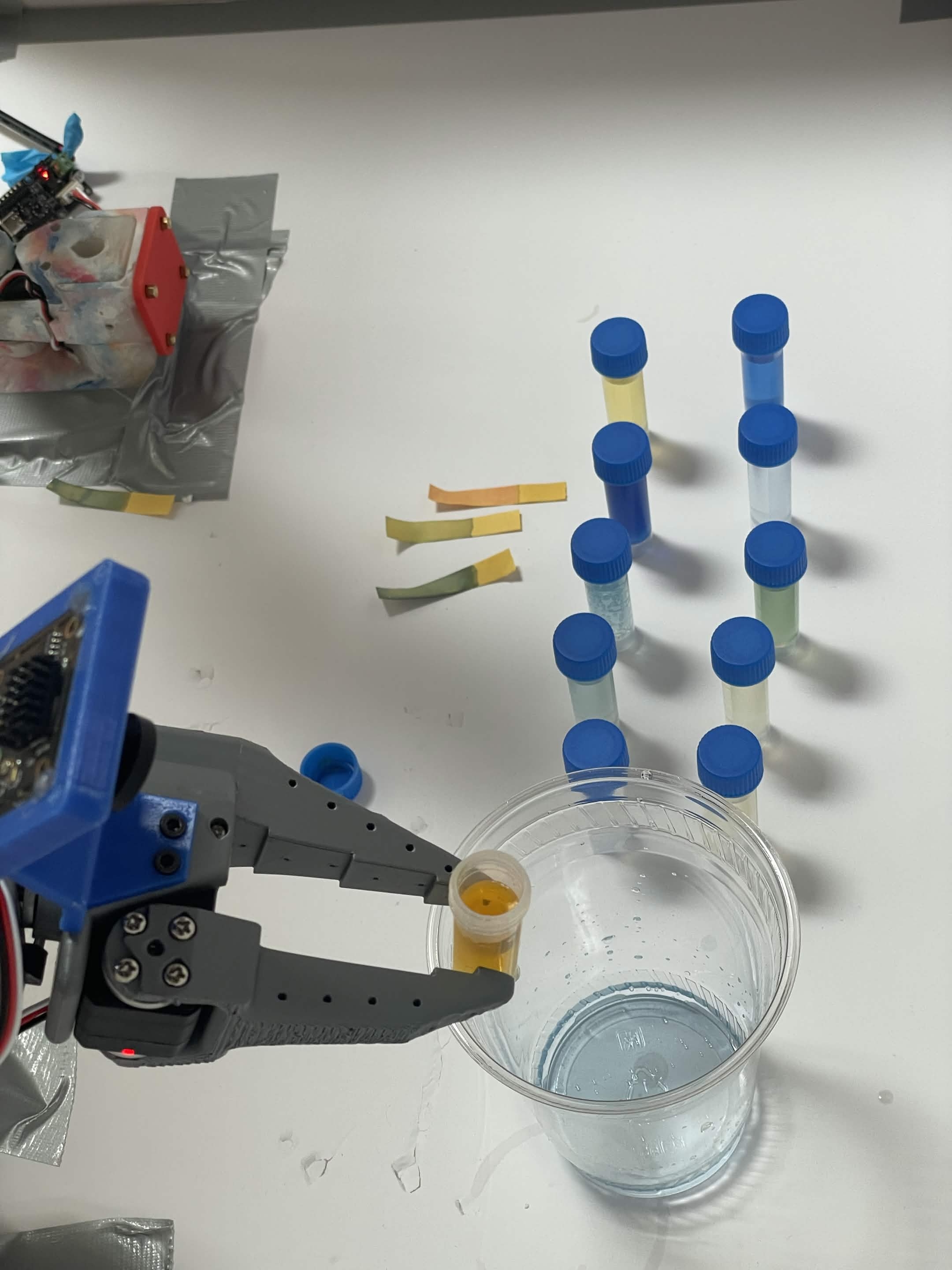
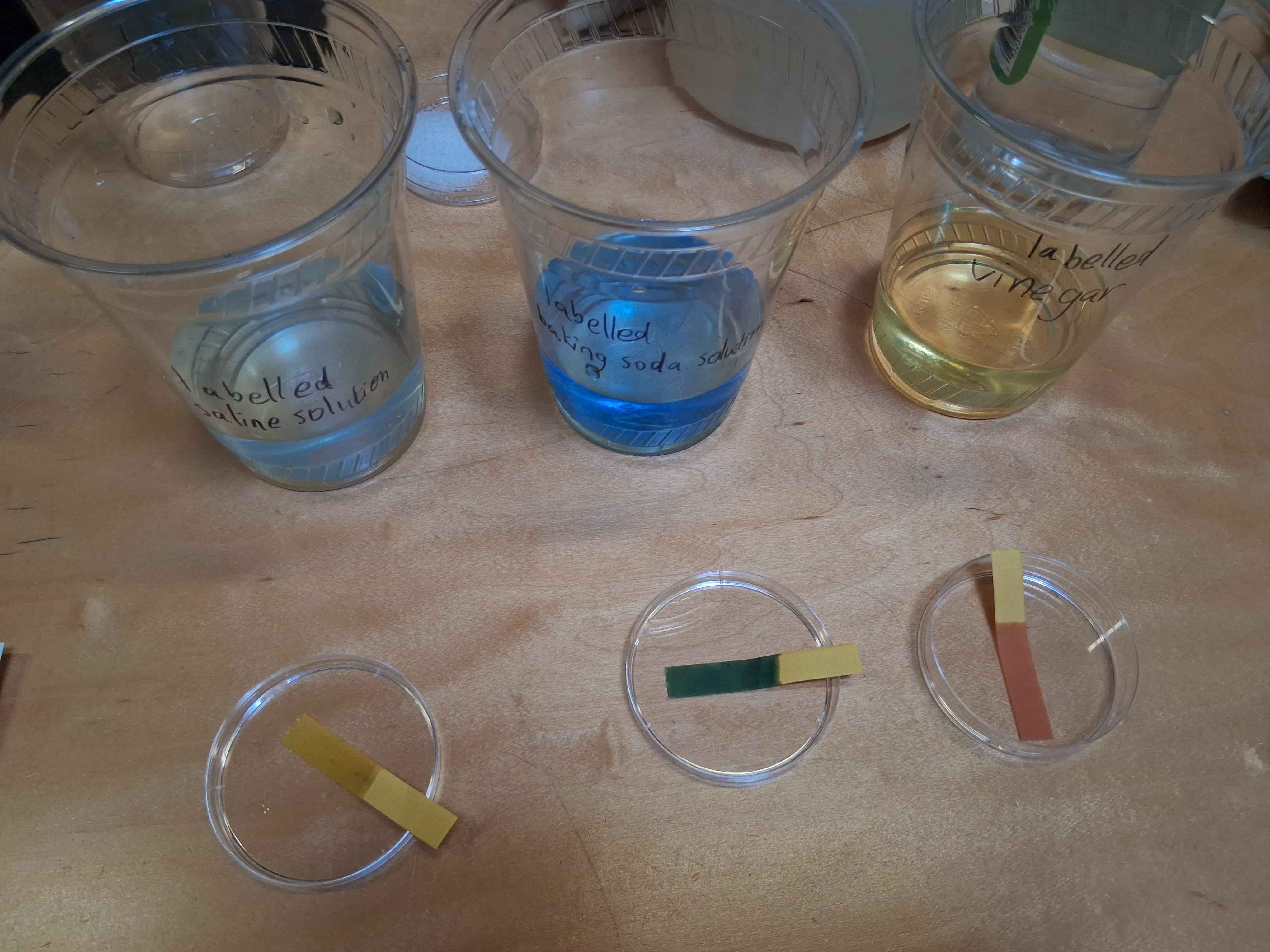
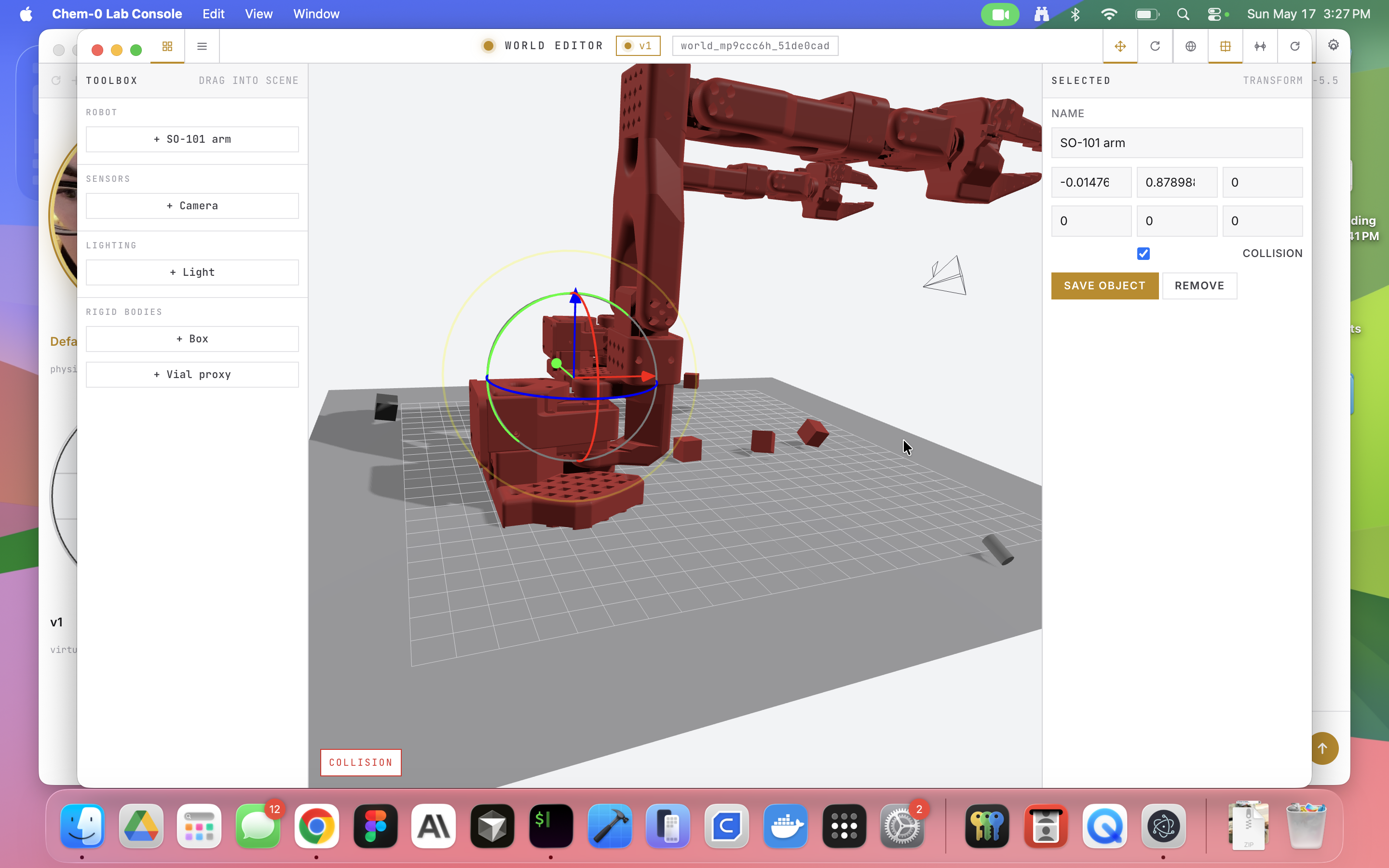
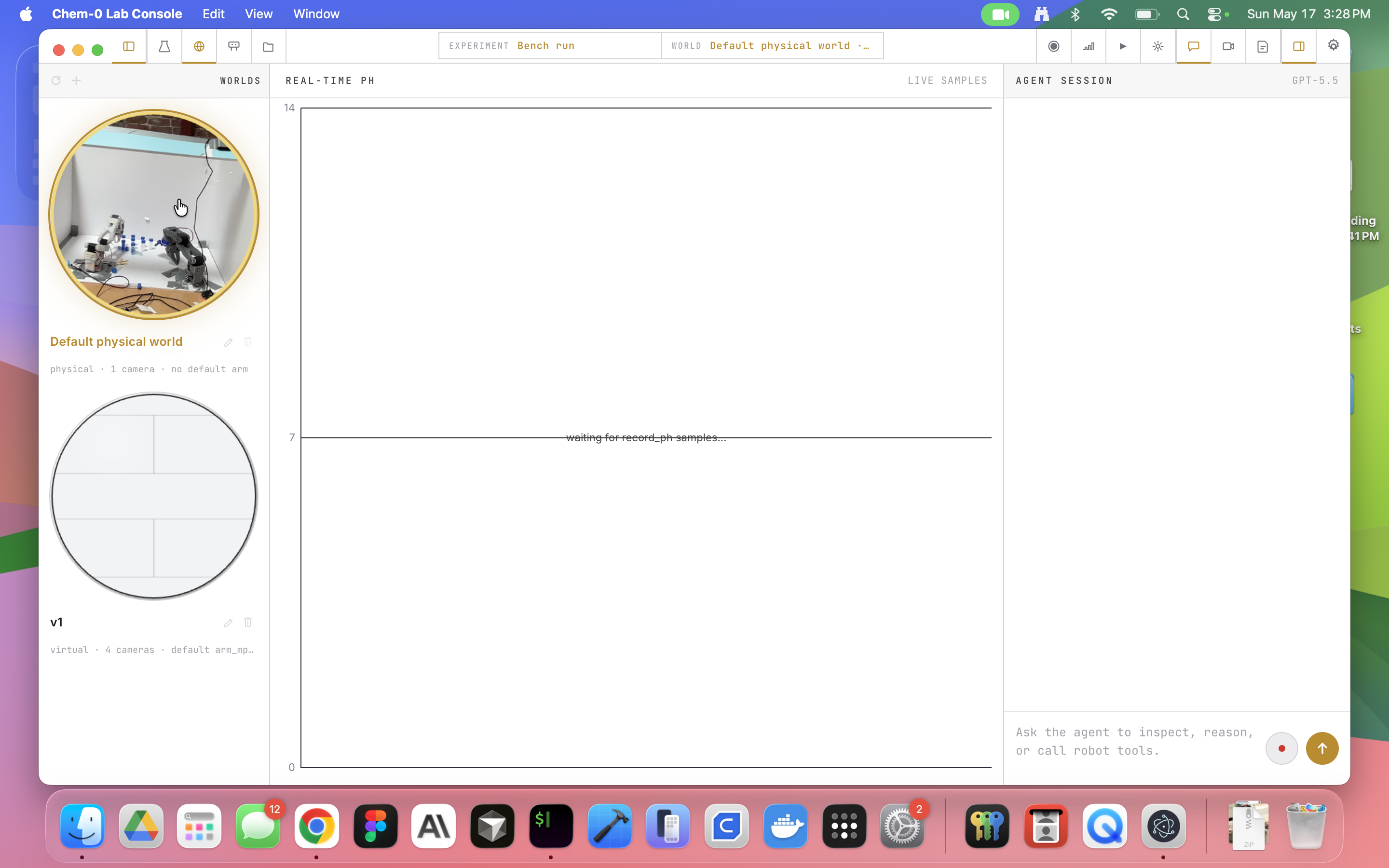
Robot lab bench setup, which did not work yet because calibration (to be updated)
Lab bench:
Note 5Early may observelog! [note-0015]
Note 5Early may observelog! [note-0015]
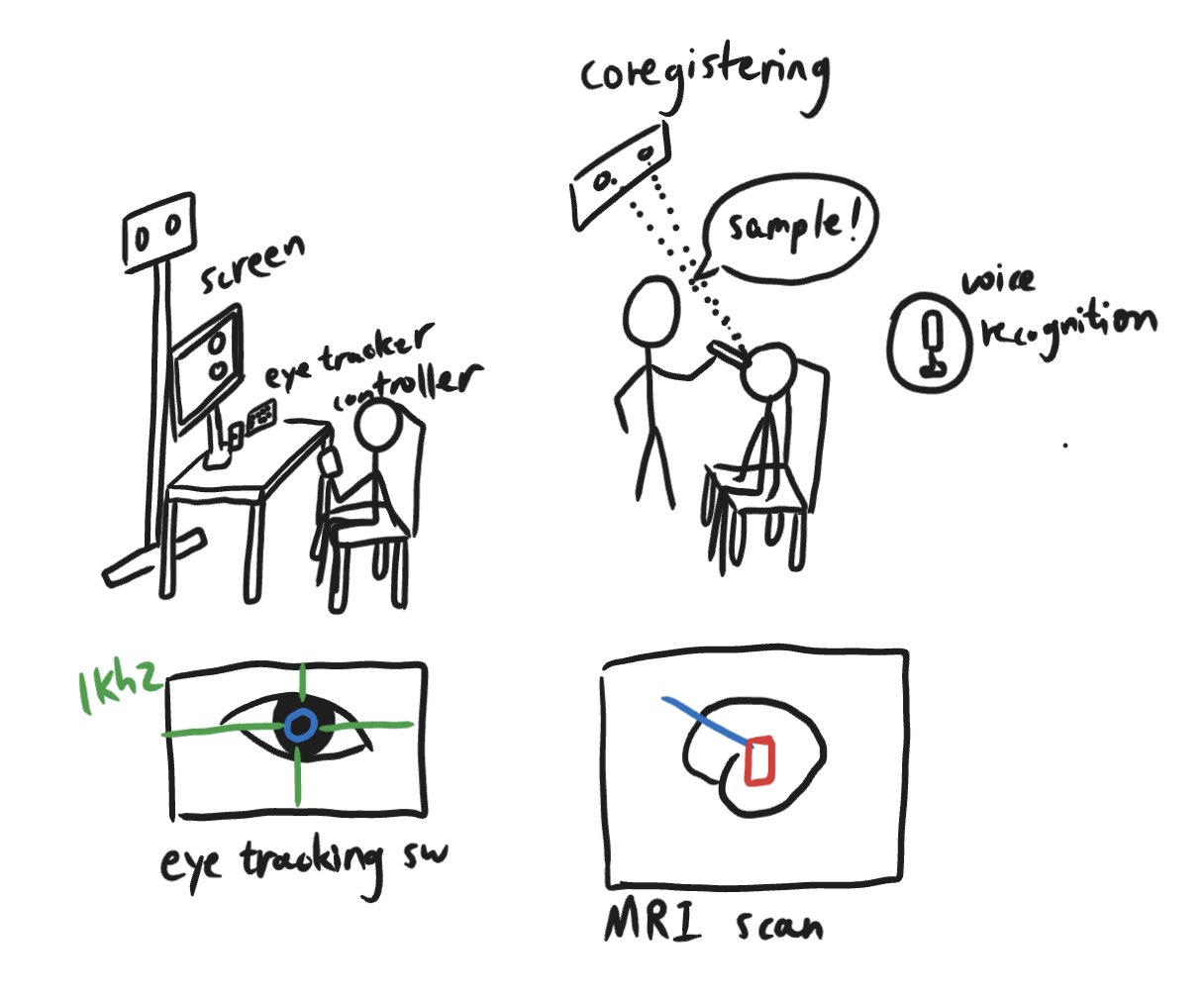
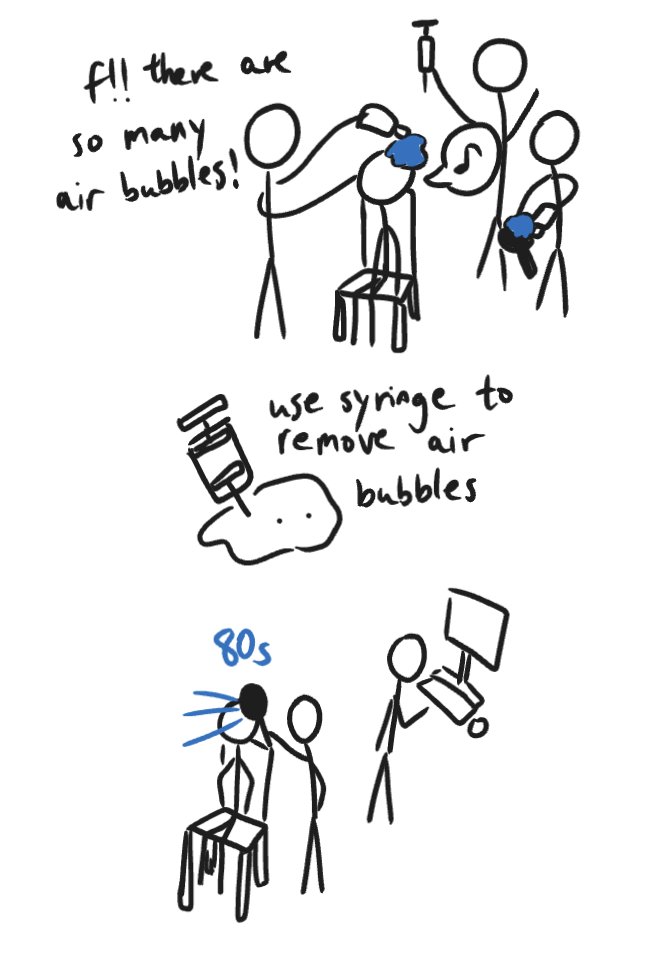
Source: feralscholars.substack.com/p/early-may-observelog — Yoyo
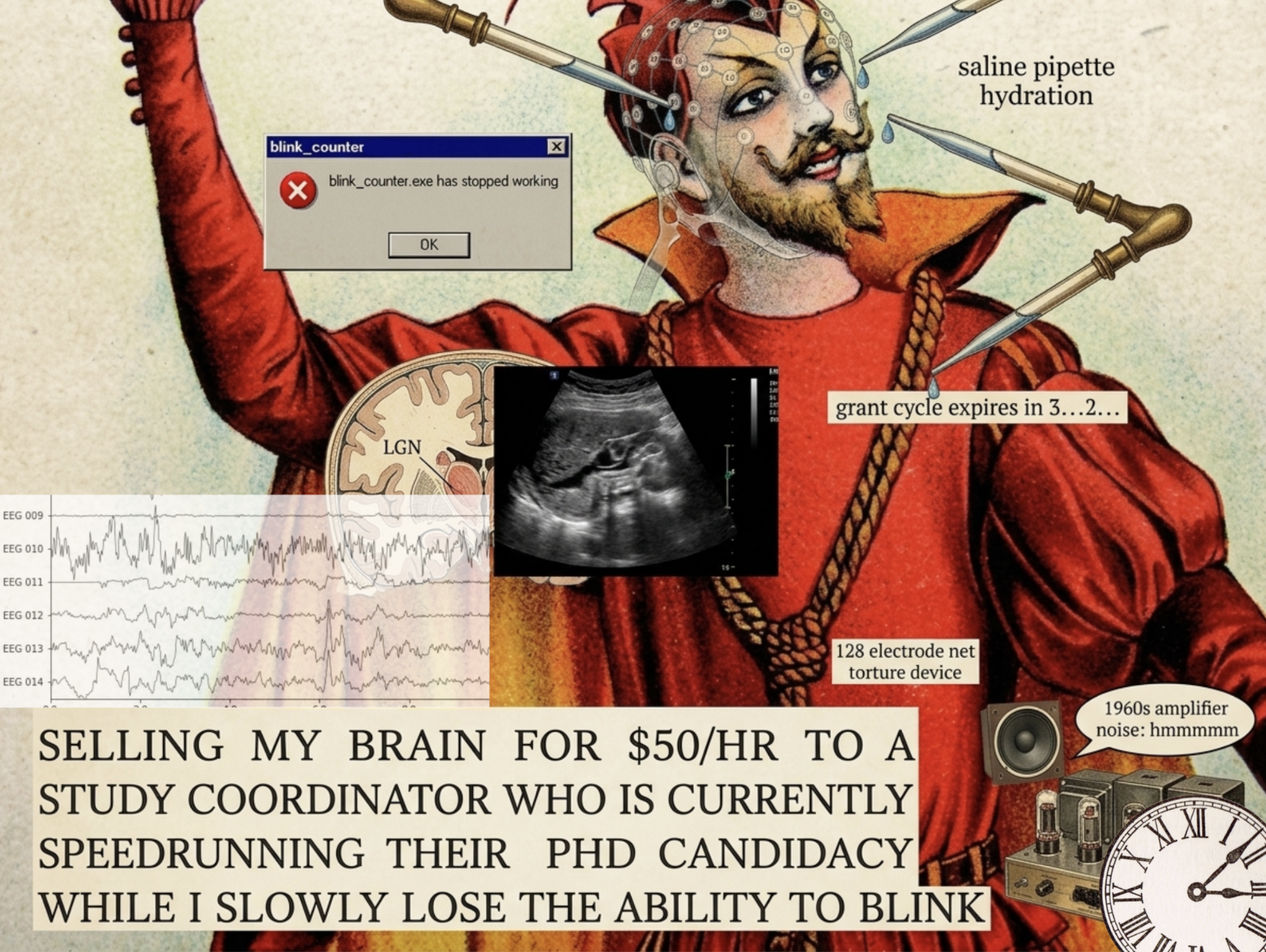
Which took place at the Lucas Center and also the Koret community neurosciences lab.
Note 6November readlogs! [note-0038]
Note 6November readlogs! [note-0038]
Source: feralscholars.substack.com/p/november-readlogs — Yoyo
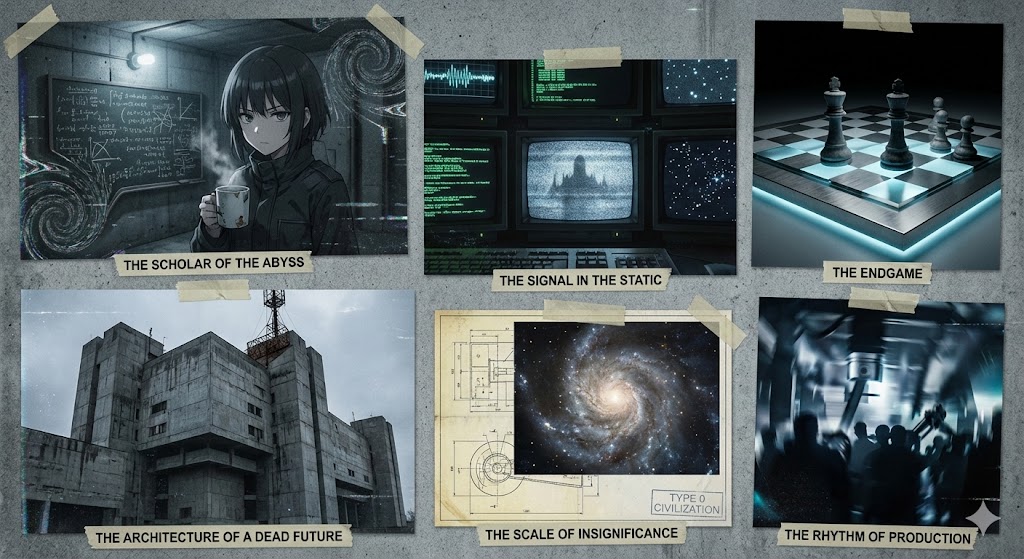
No analysis this time. Very tired and wrote this in 30 mins
Note 7October readlogs! [note-0039]
Note 7October readlogs! [note-0039]
Source: feralscholars.substack.com/p/october-readlog — Yoyo
Note. My writing is compressed from irl observations! Some of you complained it is too dense. So, I mass-deleted some long words. It could be fun to experiment with different tones.

Note 8September readlog! [note-0050]
Note 8September readlog! [note-0050]

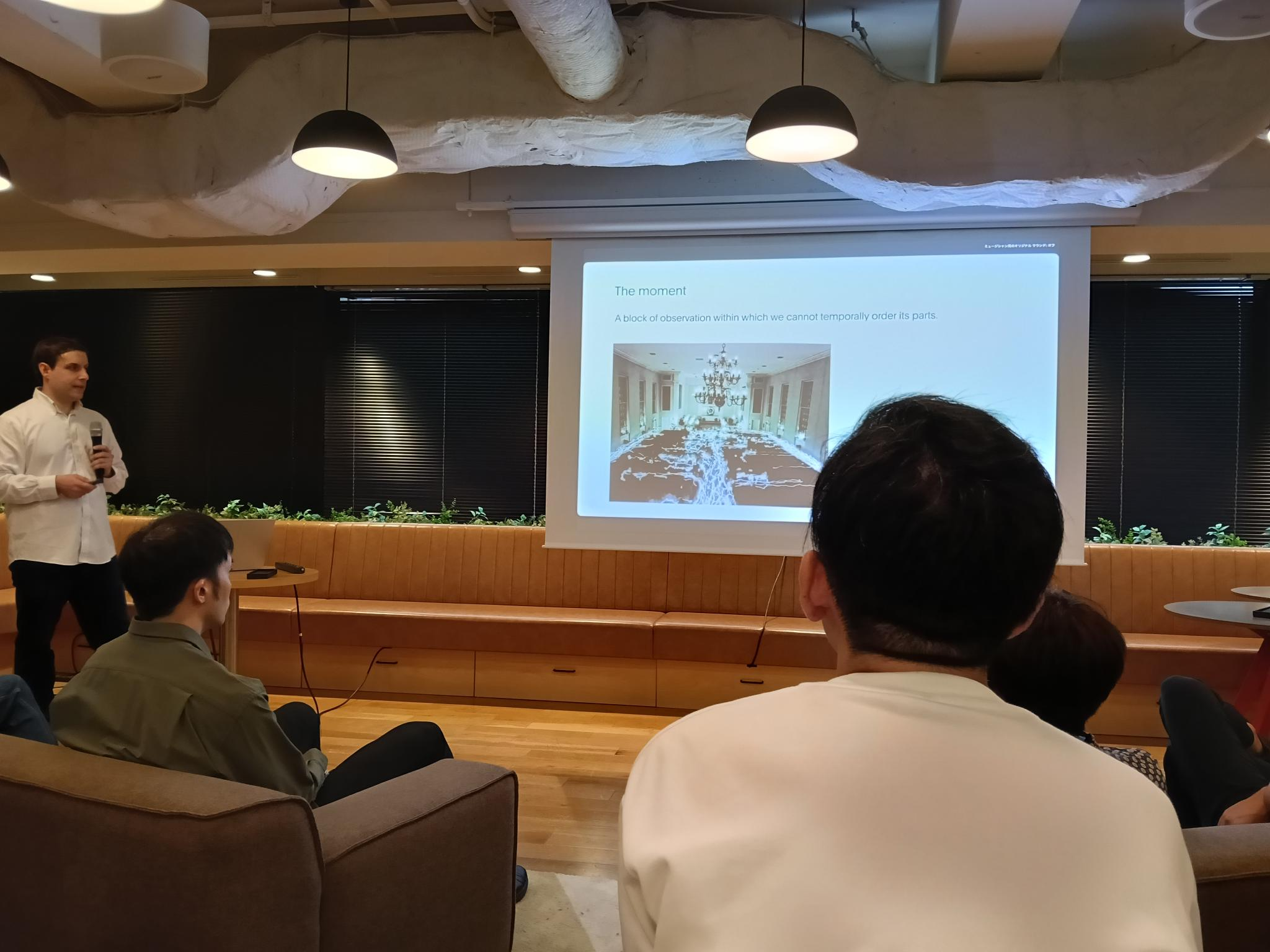
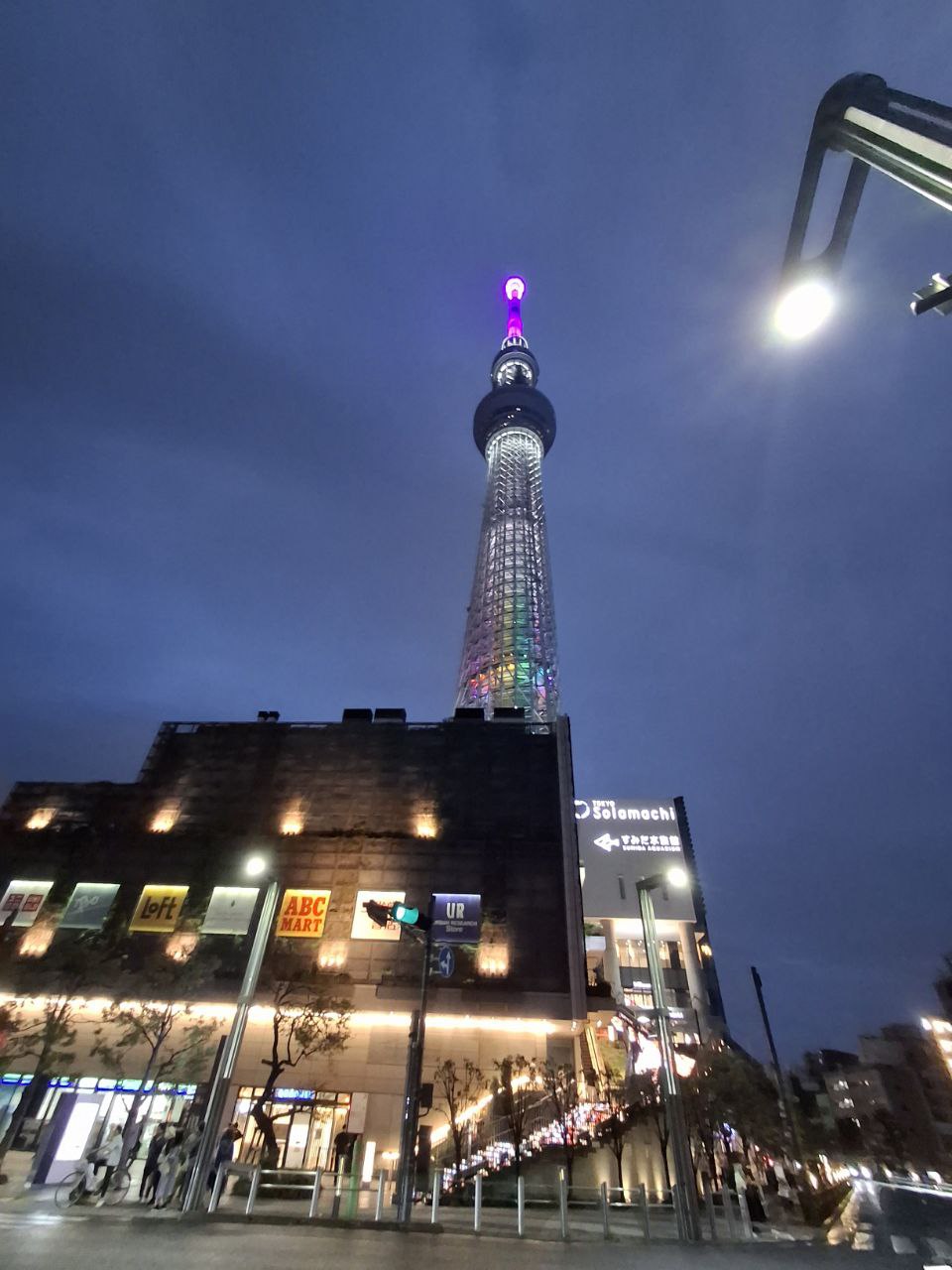
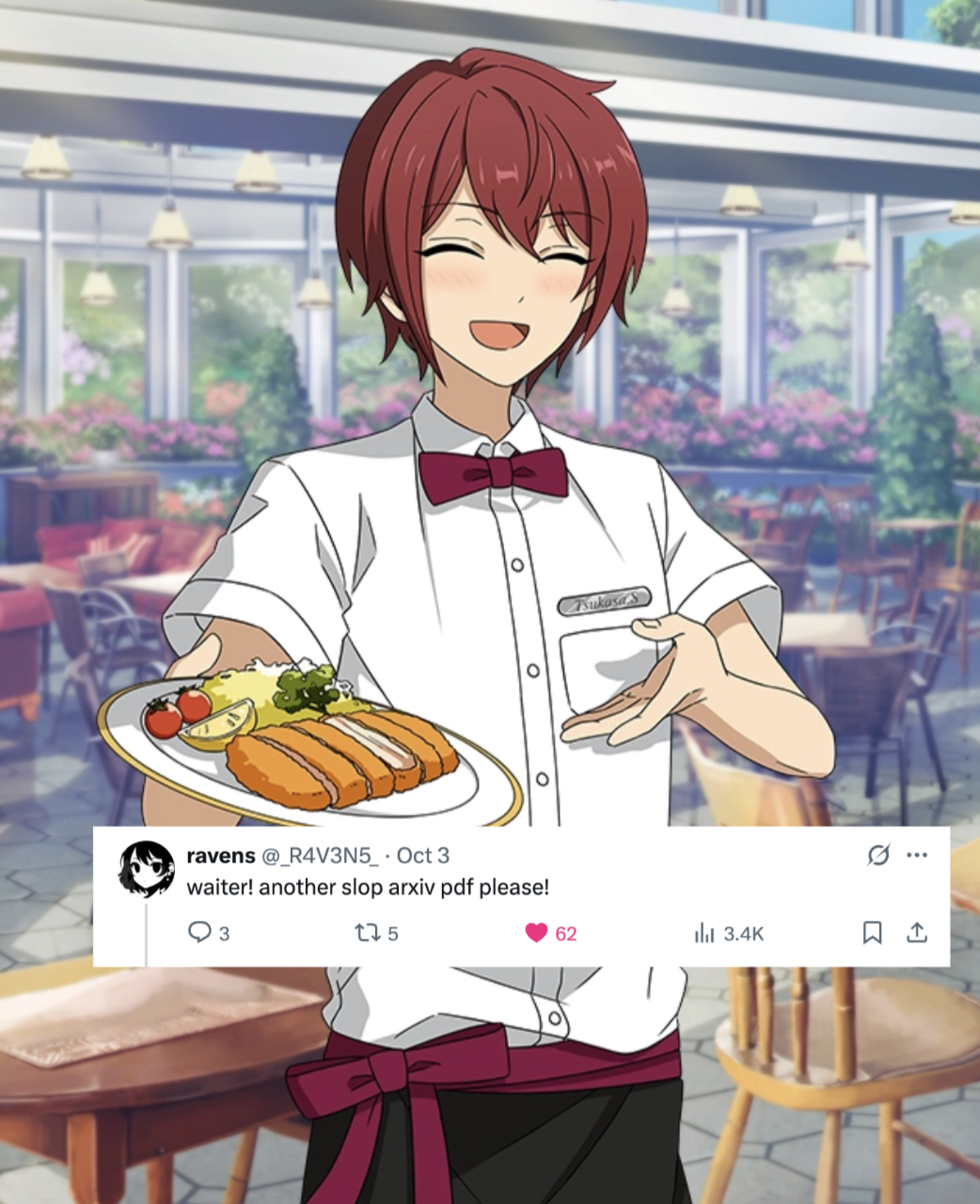

Note 9All about clustering coefficient, a Signal power user [note-0009]
Note 9All about clustering coefficient, a Signal power user [note-0009]
clustering coefficient said it's okay to post this!
Note 10Jan: return from relaxation [note-0046]
Note 10Jan: return from relaxation [note-0046]
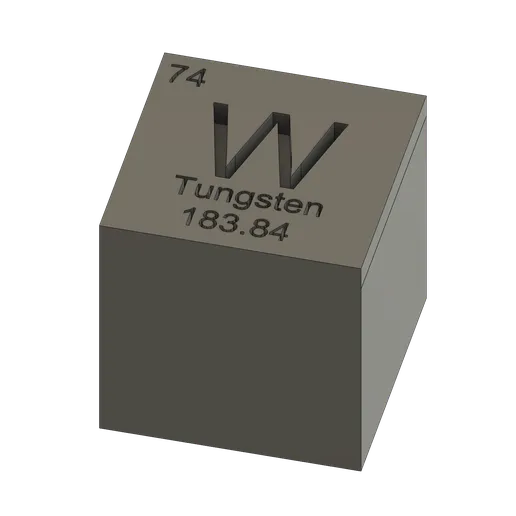
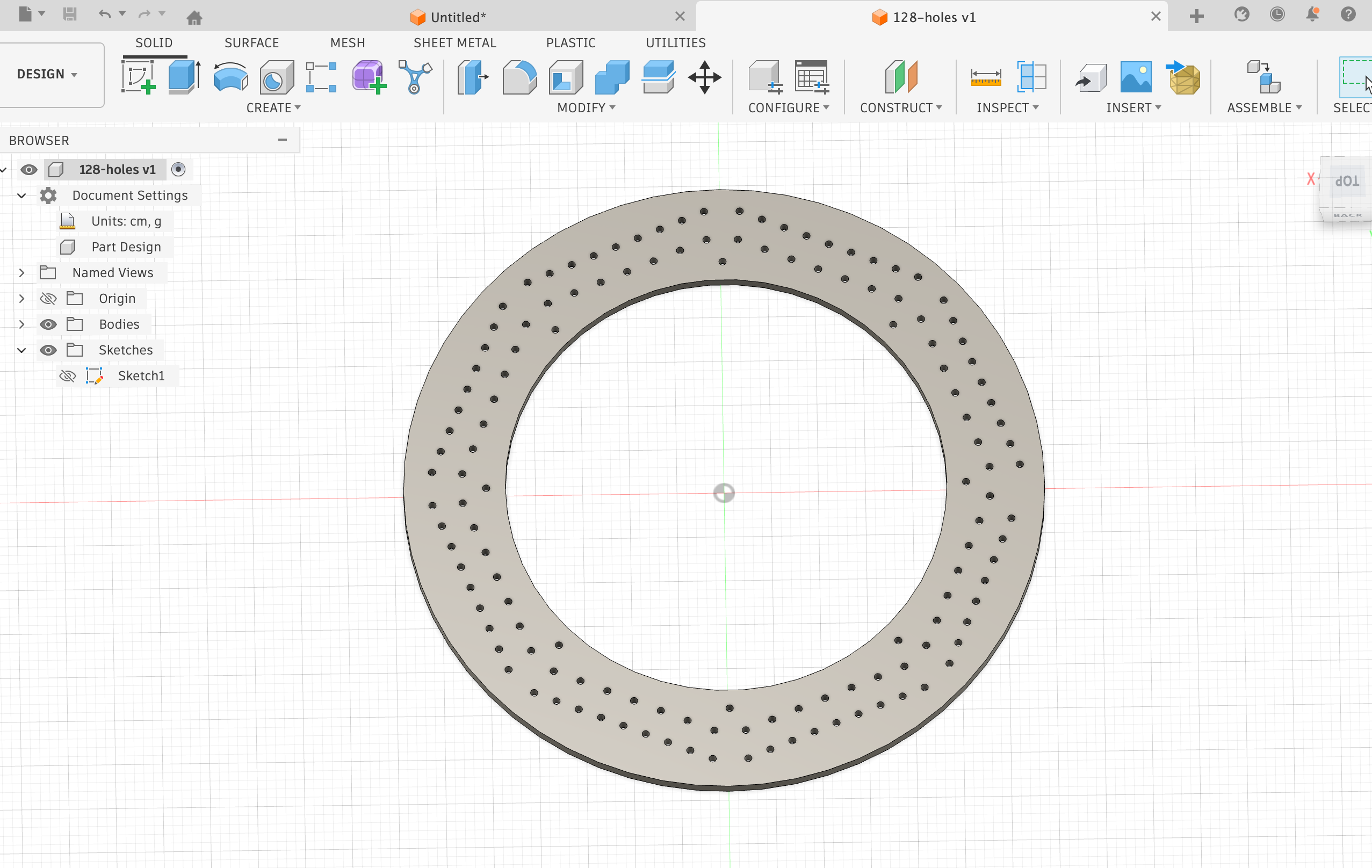
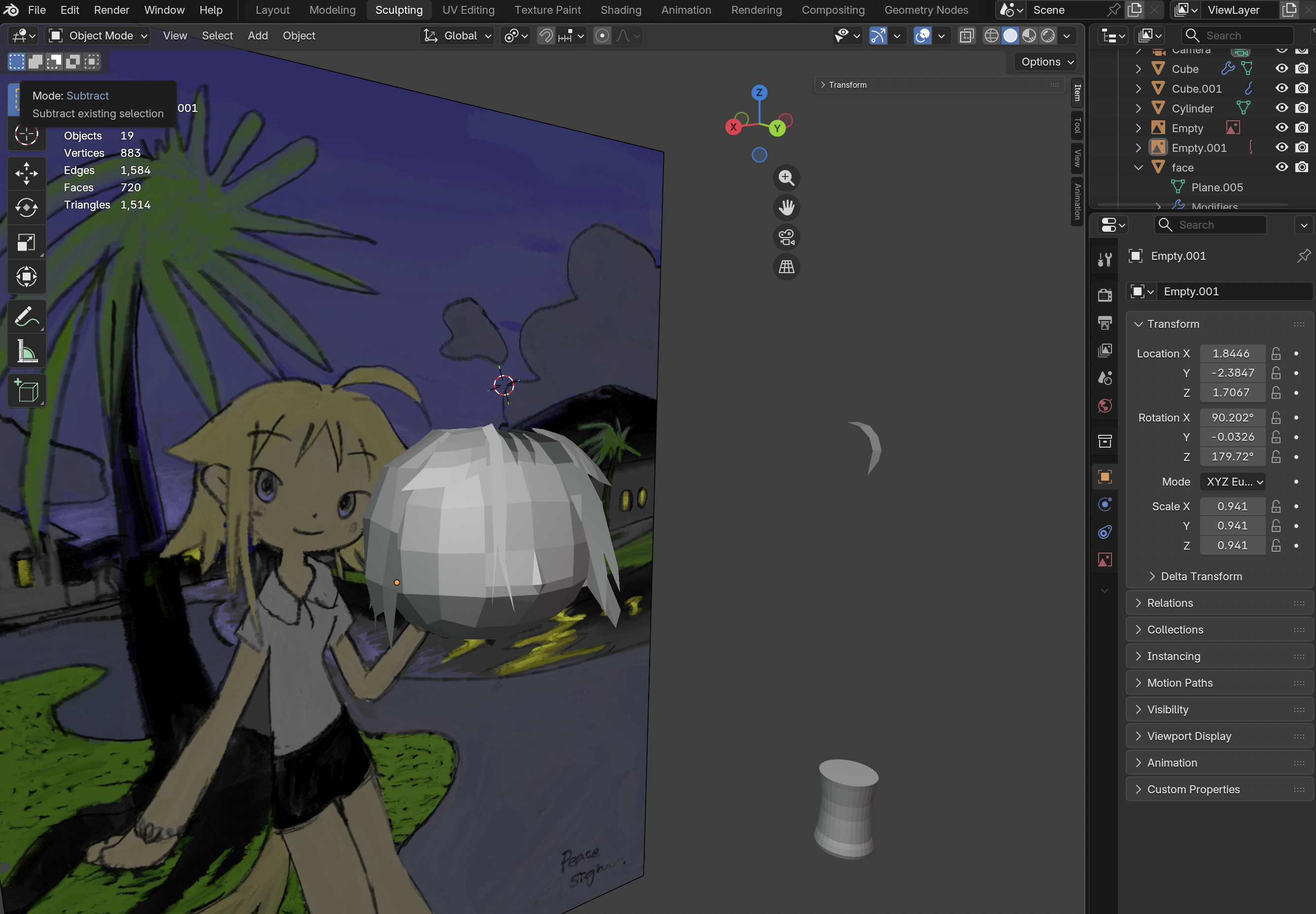 originally by izmi. I flipped the character on her side. by the way, why so much deranged angel scenecore aesthetics
Note 11T-posing on humanoid robots [note-0025]
Note 11T-posing on humanoid robots [note-0025]
It was really difficult to work with humanoid robots given numerous servo motor incongruences during calibration. So we threw a hail Mary and just told the robot to go to T-pose on demand, given webcam data. Connect to robot, program fixed points, figure out centre of mass and bounds while playing back pose trajectories.
Note 12Notes on processing images with in-vitro neurons paper [note-0036]
Note 12Notes on processing images with in-vitro neurons paper [note-0036]
by Yoyo • 2025-01-14
This is an experiment ran in an ancient image processing with living neurons paper in 2005, where the authors filtered a 10 x 6 MEA array corresponding to a 256-pixel image. With slight extensions you should be able to draw some minecraft items, which are also 16 x 16.

However, I didn't find a huge amount of derivative work.
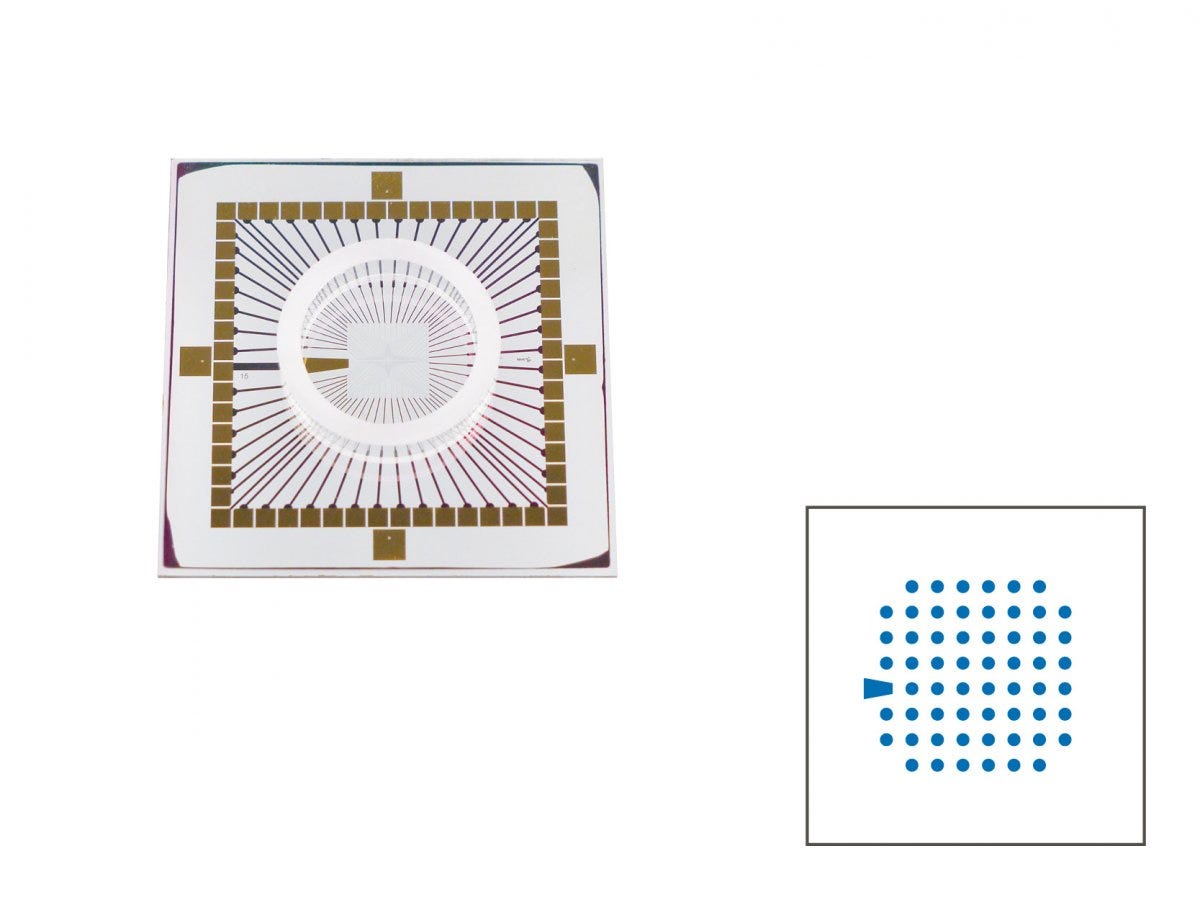 There is an underlying thermostat to maintain the temperature. One electrode is used as ground.
Note 13Quick review of growing neurons for computation [note-0037]
Note 13Quick review of growing neurons for computation [note-0037]
Living neurons have been processing images and playing pong in academic settings.
Contents
- Why use neurons at all?
- Quick notes on history
- Scrappy protocol from team general cybernetics with rat cortical neurons
- Long protocol: Obtaining stem cells, differentiation into neurons, training with MEAs
- What to do next
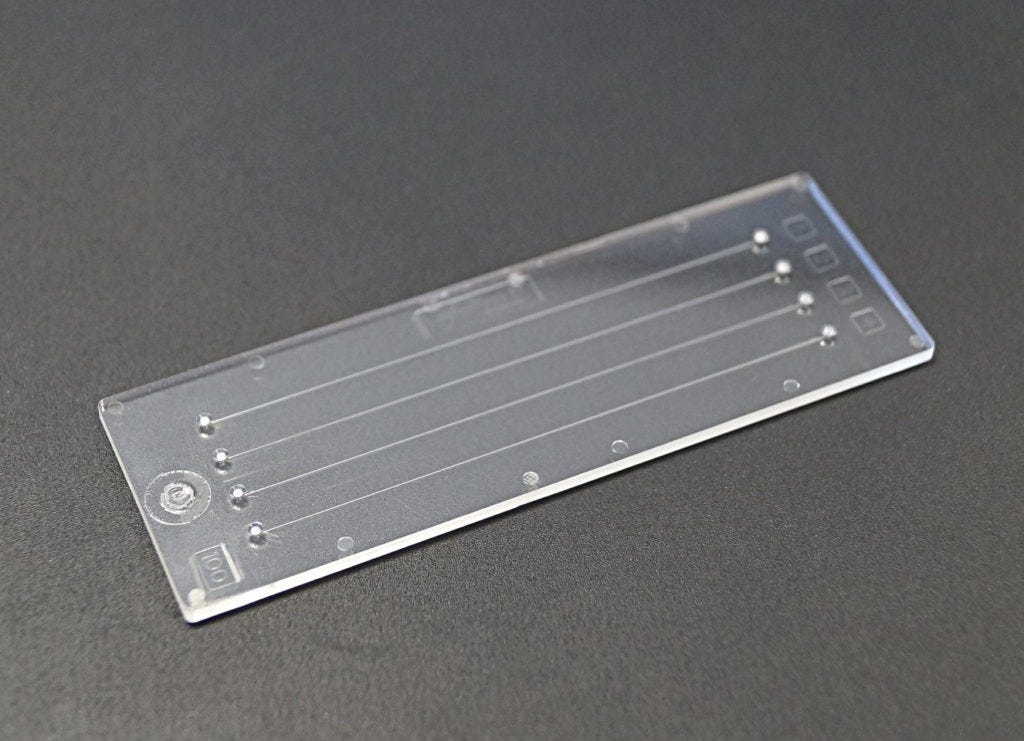 Microfluidic Polymer Chips - microfluidic ChipShop
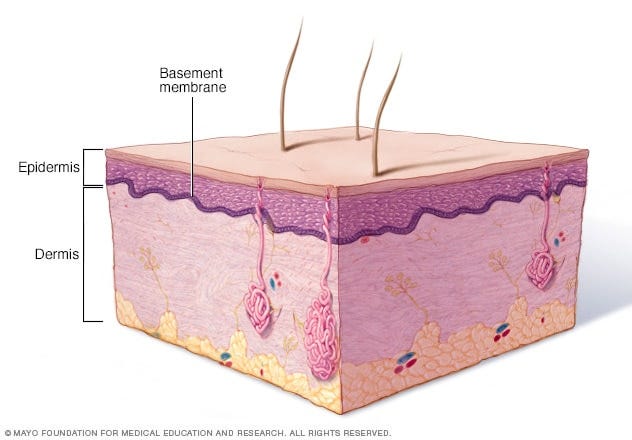
We also start with somatic cells obtainable through a biopsy. In this case, the choice is fibroblasts—connective tissue cells.
From days 1 - 8, we add mRNA carrying the reprogramming factors to the chambers on the chip, as well as materials that prevent cell stress and toxicity
From days 9 - 15, we stop adding mRNA and instead add a medium that supports the transition from somatic cells to stem cells
Finally, we extract hiPSC colonies from the chip using chemical processes or mechanically, using a scalpel under a microscope.
Source: Microfluidic reprogramming to pluripotency of human somatic cells
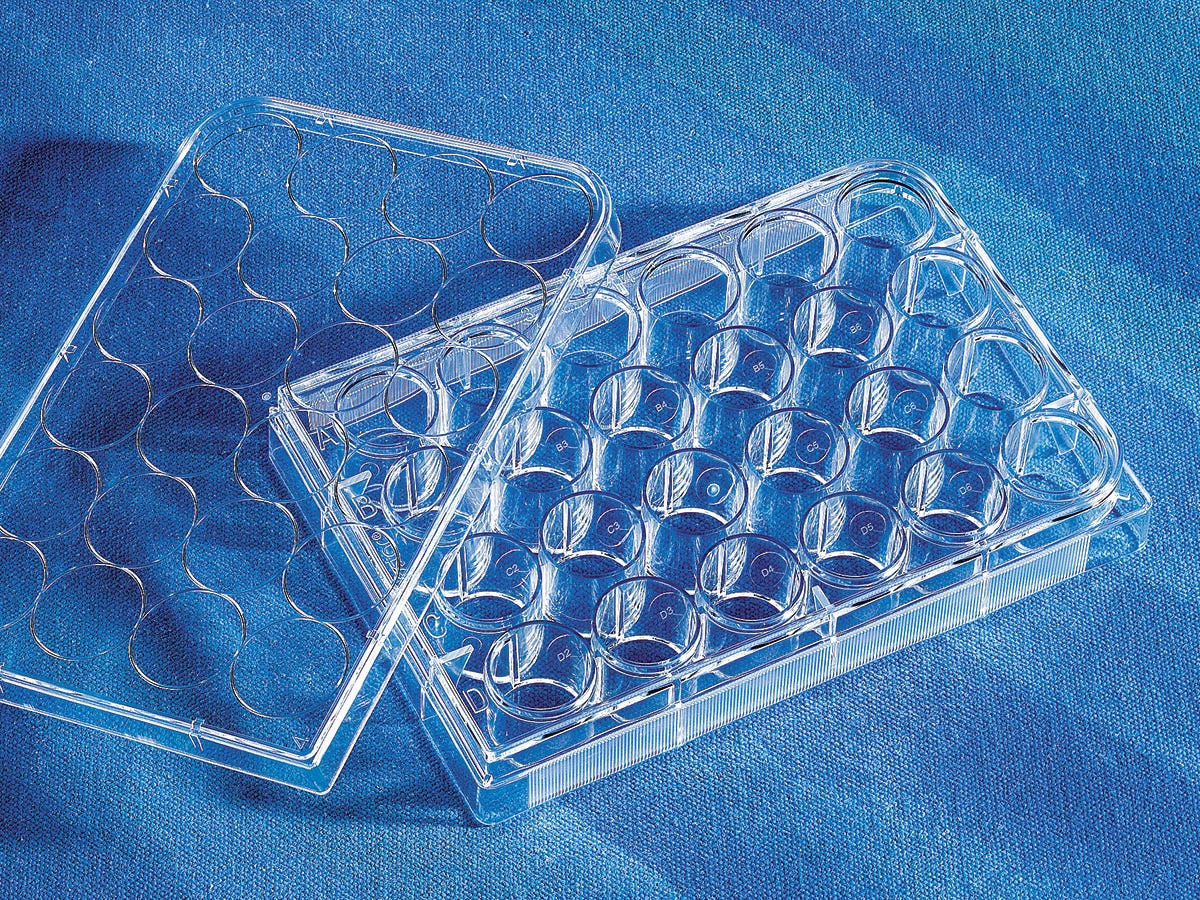 Example well plates, where the stem cells start differentiating.
Create a 2d sheet of neurons with the help of Neurogenin-2, taking 2 - 3 weeks
Placing the hiPSCs on well plates coated with poly-L-ornithine (PLO) and laminin, which provide a supportive environment for cell growth
Use lentiviral vectors to engineer the cells to express neurogenin-2 (Ngn2), a gene that induces neuronal differentiation
Activate the Ngn2 gene using doxycycline to start differentiation with the help of biological switch rtTA
Use antibiotics to ensure only successfully transduced cells survive
Plate the neurons on MEAs
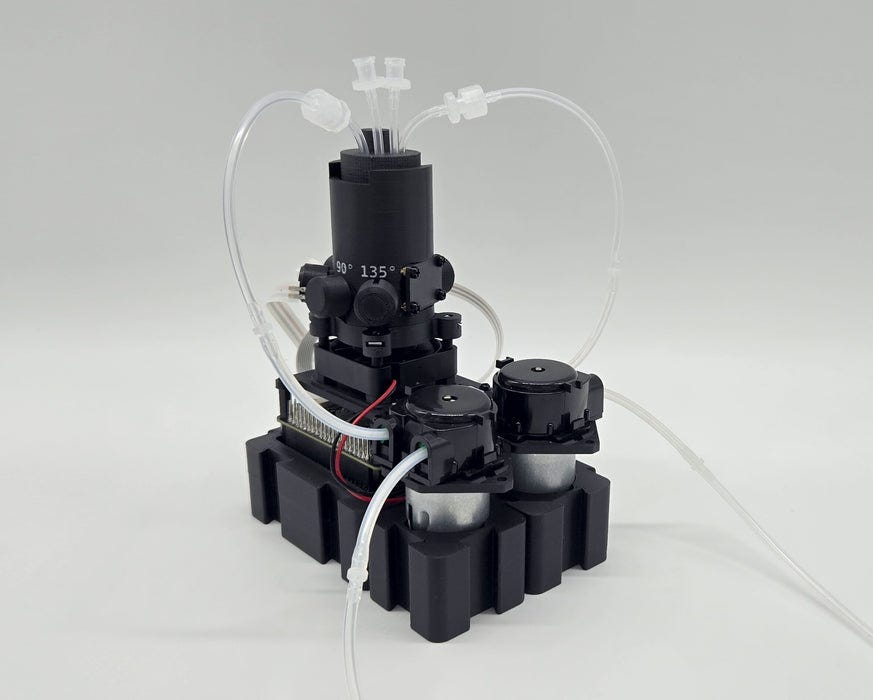
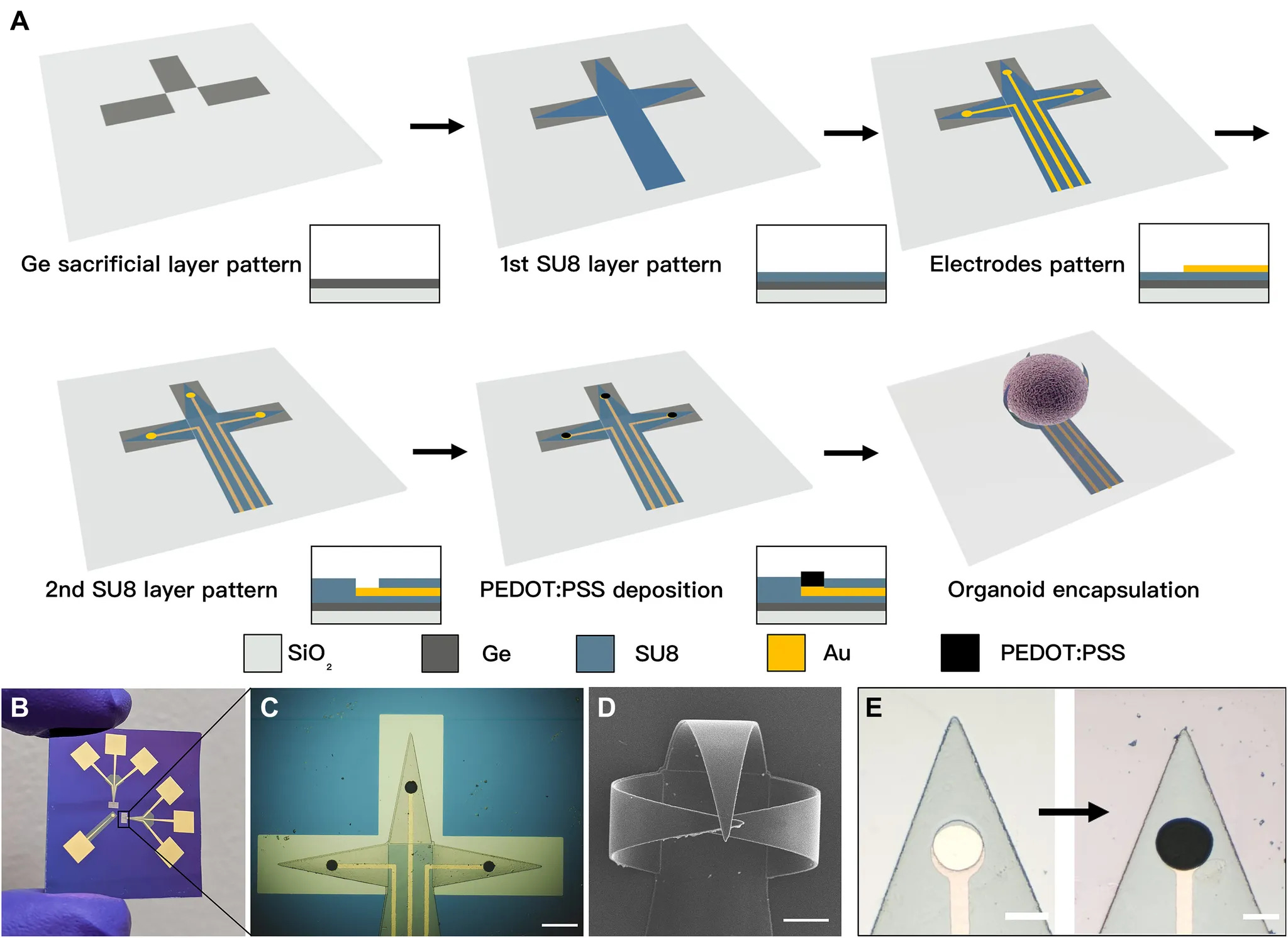
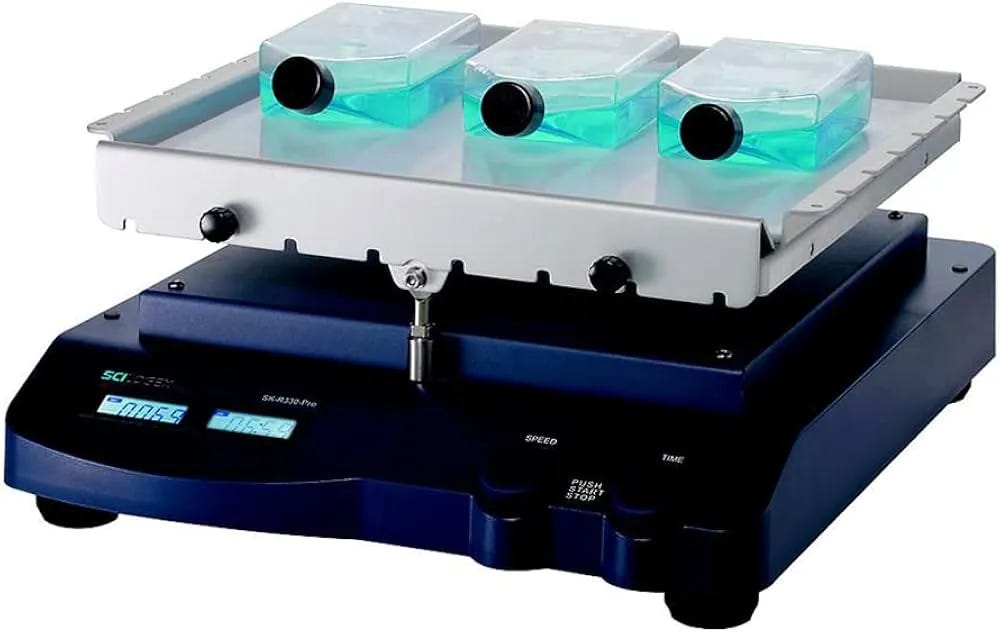 During neuron cultivation, common obstacles include cultures suffocating and needing to restart the process, so presumably that's why the shaker cultuers are used to increase nutrient reach. Researchers add systems to provide consistent nutrient and oxygen delivery and are an artificial vascular system. Bioreactors enable the mass production of organoids up to 1 million neurons. These organoids typically grow over of 1 – 9 months and can develop architectures including glia as well as basic features like synaptic connections.
Note 14(Linkpost) 10 Significant Philosophers [note-0041]
Note 14(Linkpost) 10 Significant Philosophers [note-0041]
by Yoyo • 2023-03-05
Jenn, the organizer of KW Rationality really liked it! View it here!
Note 15Drone photogrammetry and miscellaneous features [note-0013]
Note 15Drone photogrammetry and miscellaneous features [note-0013]
can't see the pdf? link
A team project for the USS hornet defense hackathon. The drone can take 2D images and calculate the coordinates of these objects in 3D, recognize them and then put them on a map. There’s also celestial navigation for GPS backup.
Note 16Reading particle swarm optimization and implementing it in Unity [note-0055]
Note 16Reading particle swarm optimization and implementing it in Unity [note-0055]
A friend @0xredJ has found this helpful and I decided to share my notes!
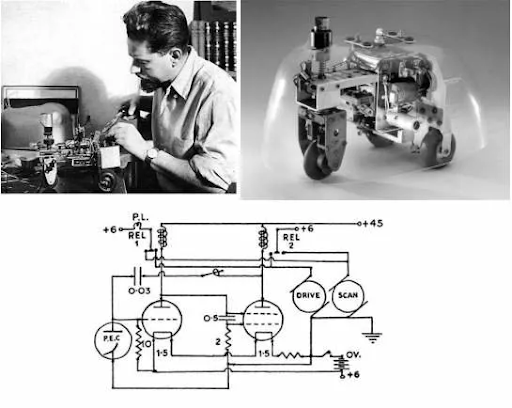
A time ago, Feynman noticed the ants in his kitchen would form trails to food sources. So, he enticed the ants with a sugar cube and disrupted them by drawing coloured trails on the ground. The ants didn't care. Then he folded a paper bridge and waited for ants to step on them. Then he ferried the ants from one place to another. At the new location, the ants would initially be lost but over time form a nearly shortest path again.
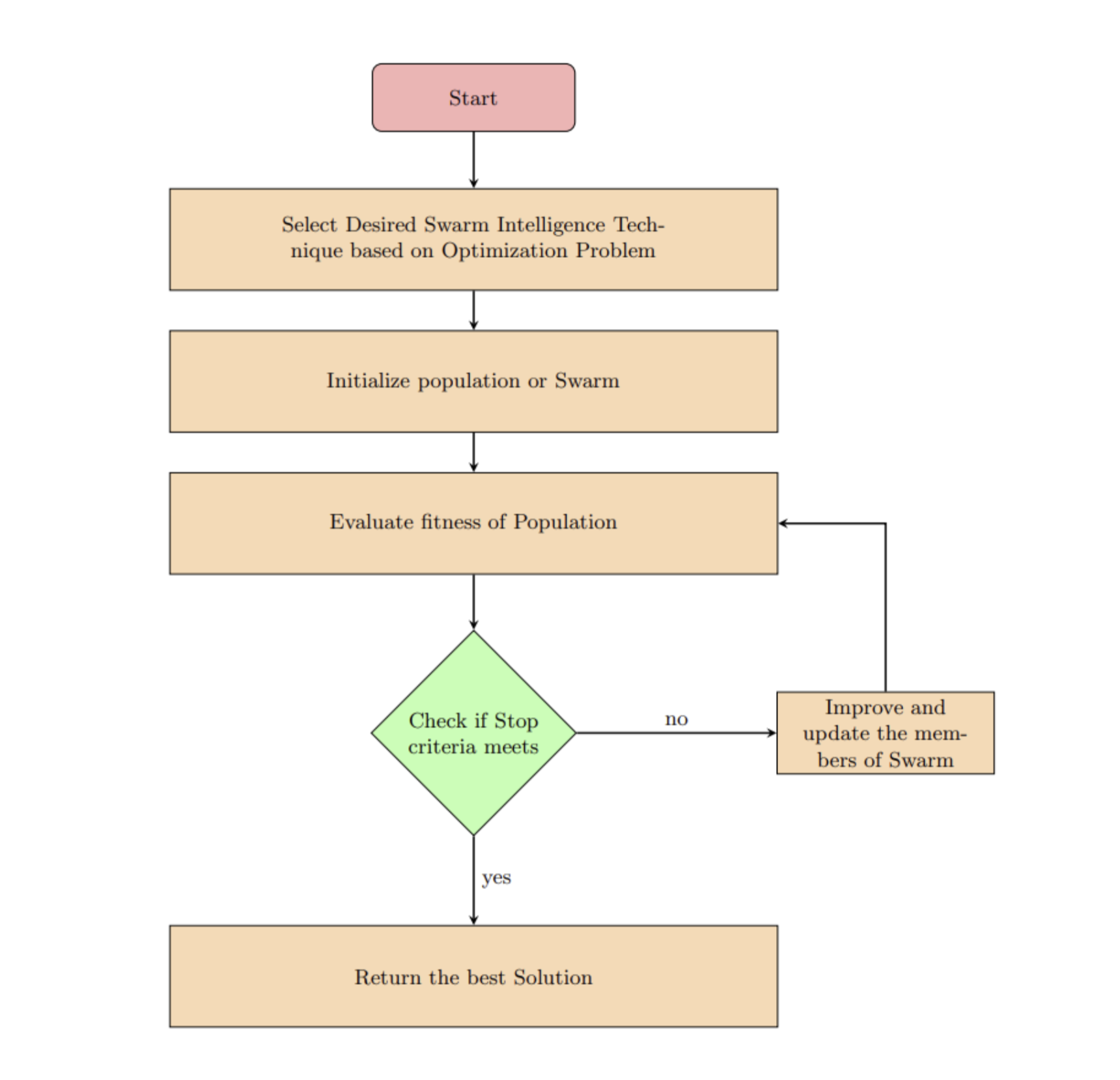
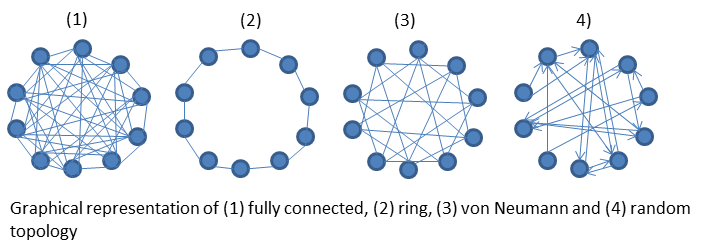
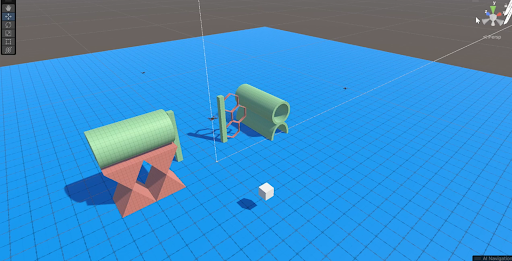
This... indirectly foreshadowed the development of Ant Colony Optimization and many more that describe the social behaviour of insects and in nature toward a target. Particle Swarm Optimization is a famous one, let's see a video (plugging my code demo!).
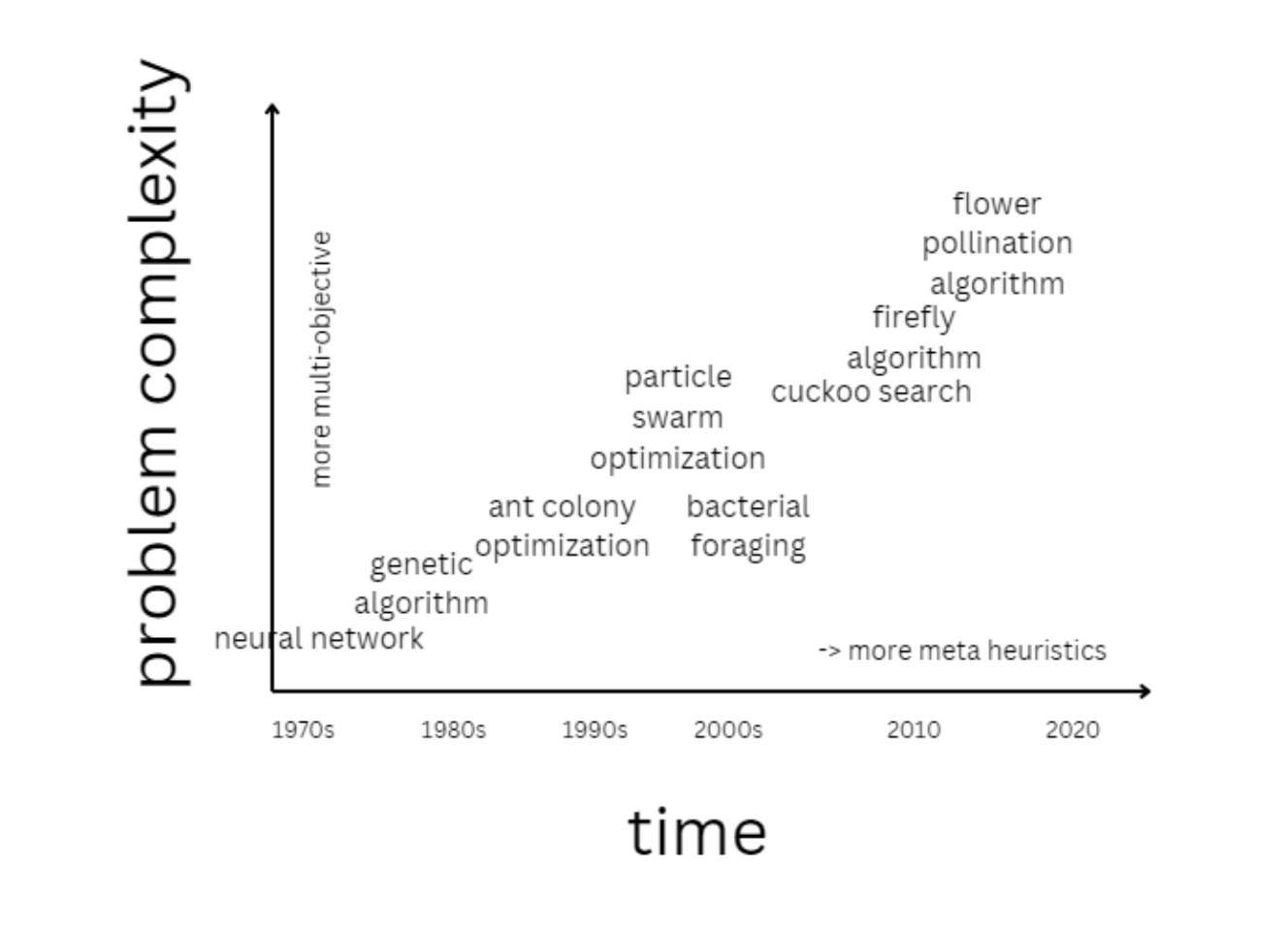
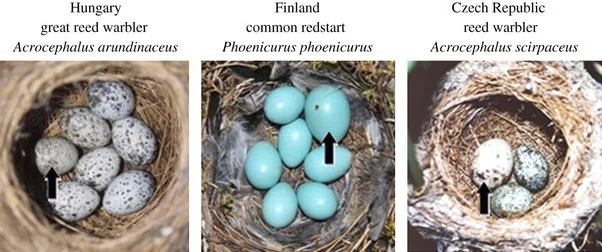
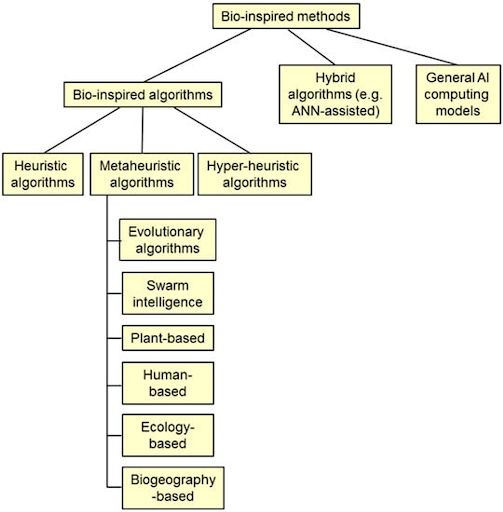
Of course, there are also bacteria, fireflies, cuckoos, flower polllination and living neurons which served as inspirations. You can see the development of these algorithms through time.
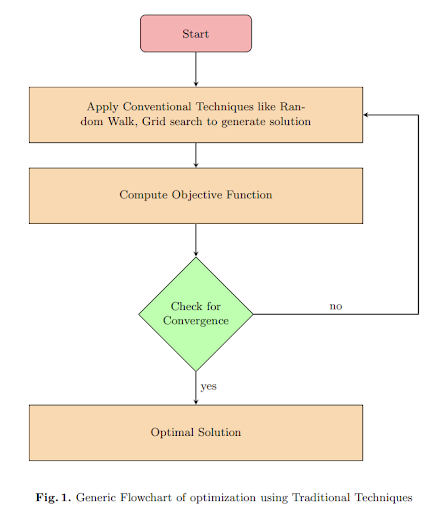
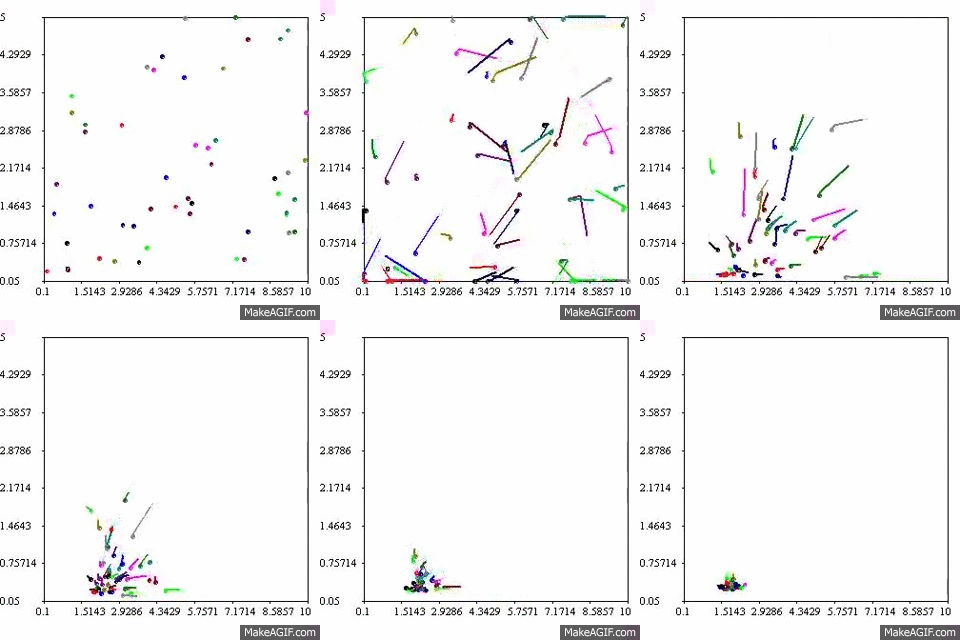
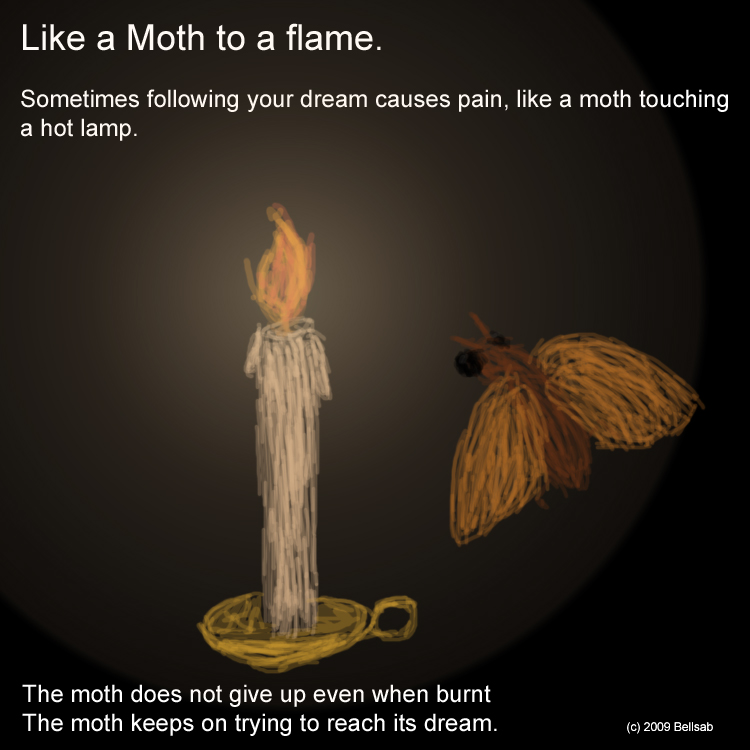 Assumptions
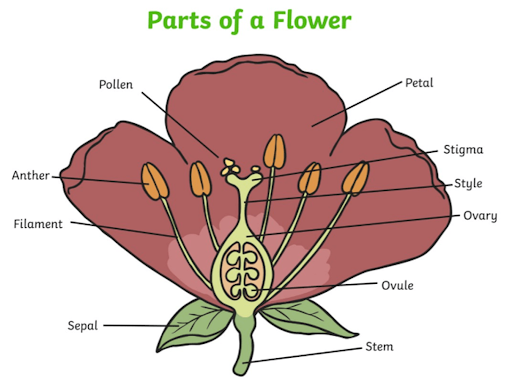 Forms of pollination:
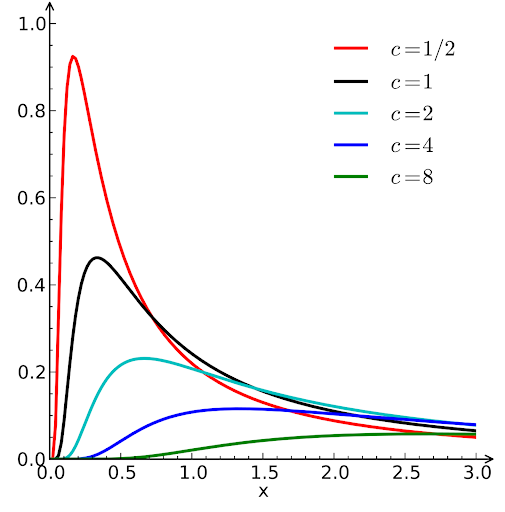
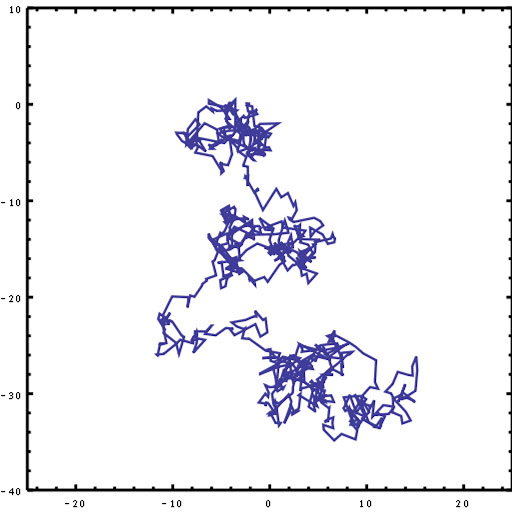 The area under the curve sums to one. So, we model distances using Levy flights to mimic the behavior of pollinators traveling between
flowers.
Note 17Magnifying glass burning ants thermal simulation [note-0030]
Note 17Magnifying glass burning ants thermal simulation [note-0030]
A physics simulation program regarding the behaviour of light rays passing through a magnifying glass. Materials include: grass, wood, ants and paper. It calculates the light energy converted into heat energy and simulates a fire if the temperature of the object exceeds its ignition temperature.
My team used a simplified formula to compute the temperature increase based on one photon per second. Then we scaled it up by factors e.g. number of photons per meter per second, the surface area of the magnifying glass and conversion efficiency.
Note 18Impossible triangle [note-0022]
Note 18Impossible triangle [note-0022]
According to a popular meme, university students must choose between sleep, studying, and socializing. I adapted it into a moving graph consisting of sleep, studying, and extracurriculars coded in processing java. The code combines geometry with behavioral research. As part of the assignment to practice coding techniques, I coded the graph without using any libraries. This project is collected into a memorable list of grade 12 OOP design projects of all time out of a few hundred projects.
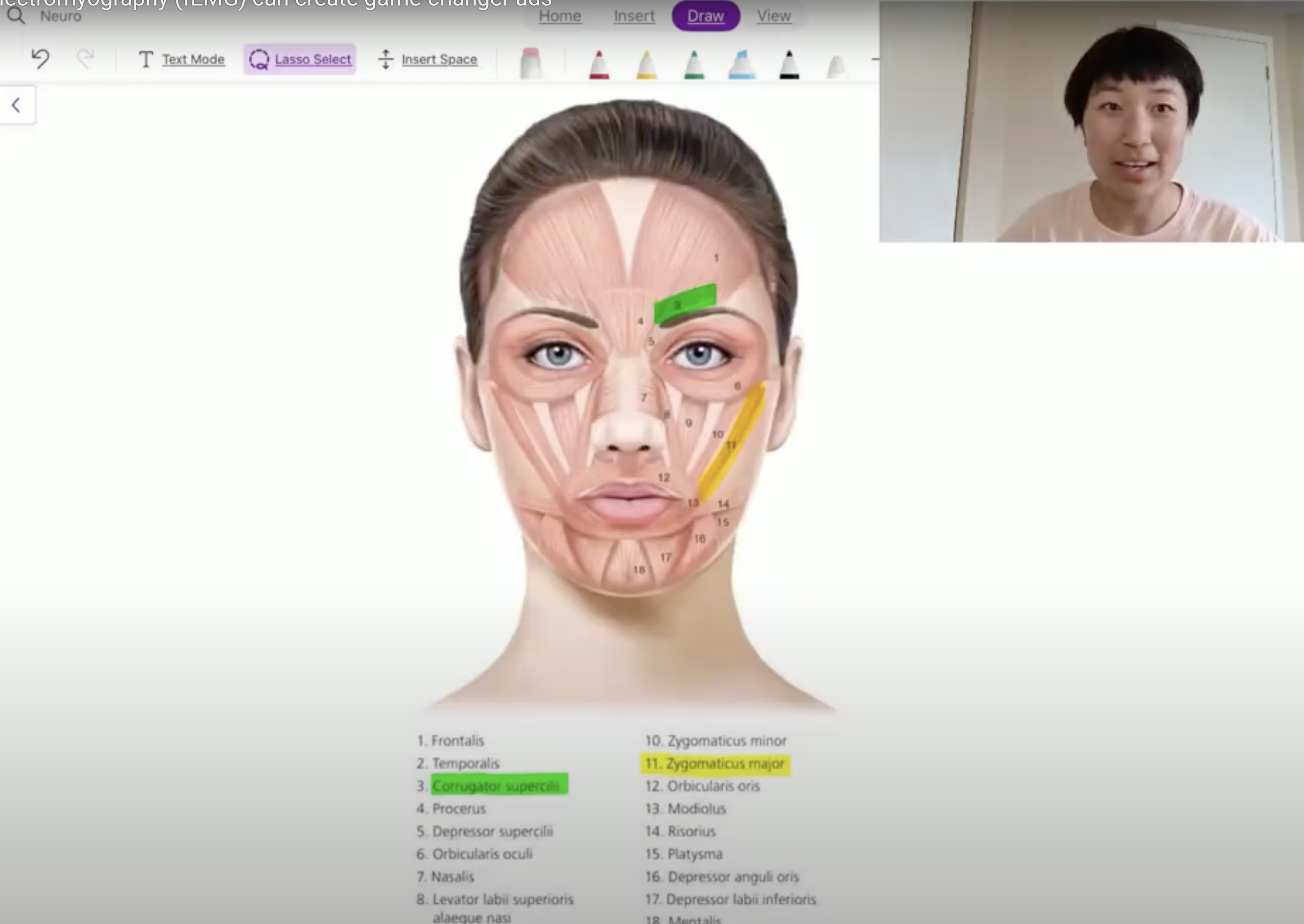
Note 19Brain-Computer Interfaces articles, electromyography and electrooculography [note-0004]
Note 19Brain-Computer Interfaces articles, electromyography and electrooculography [note-0004]
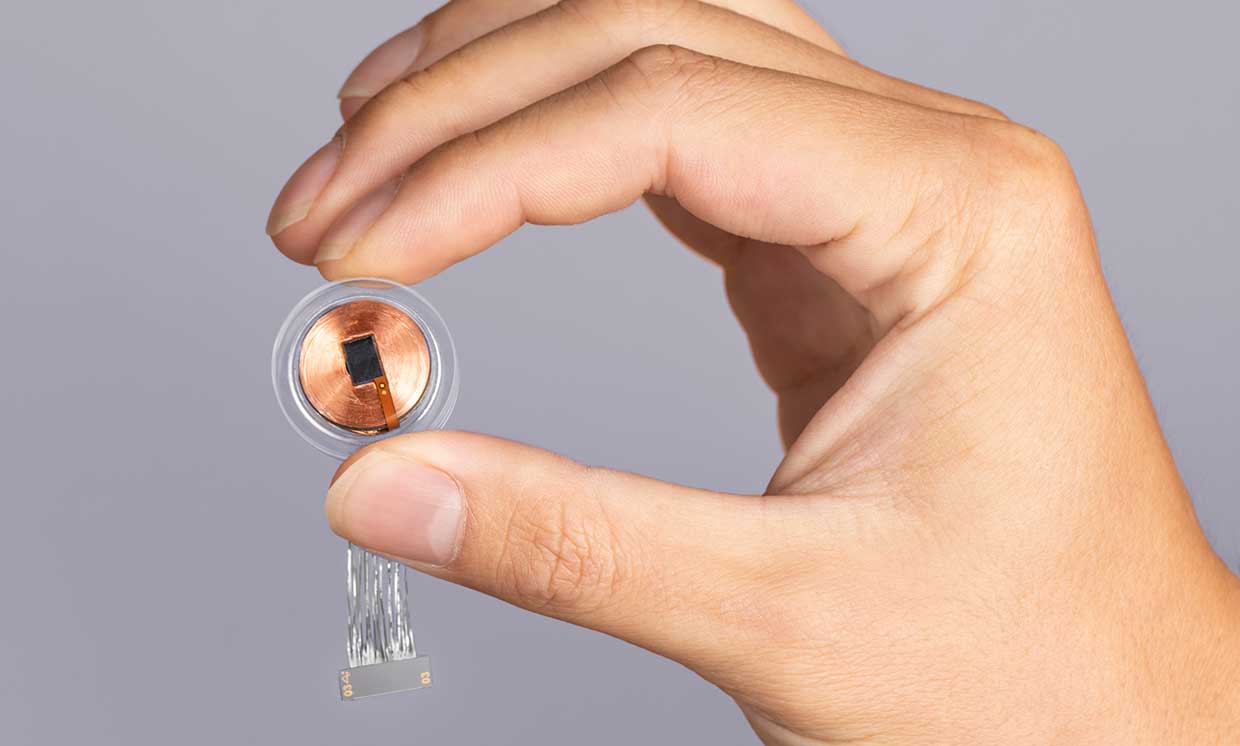
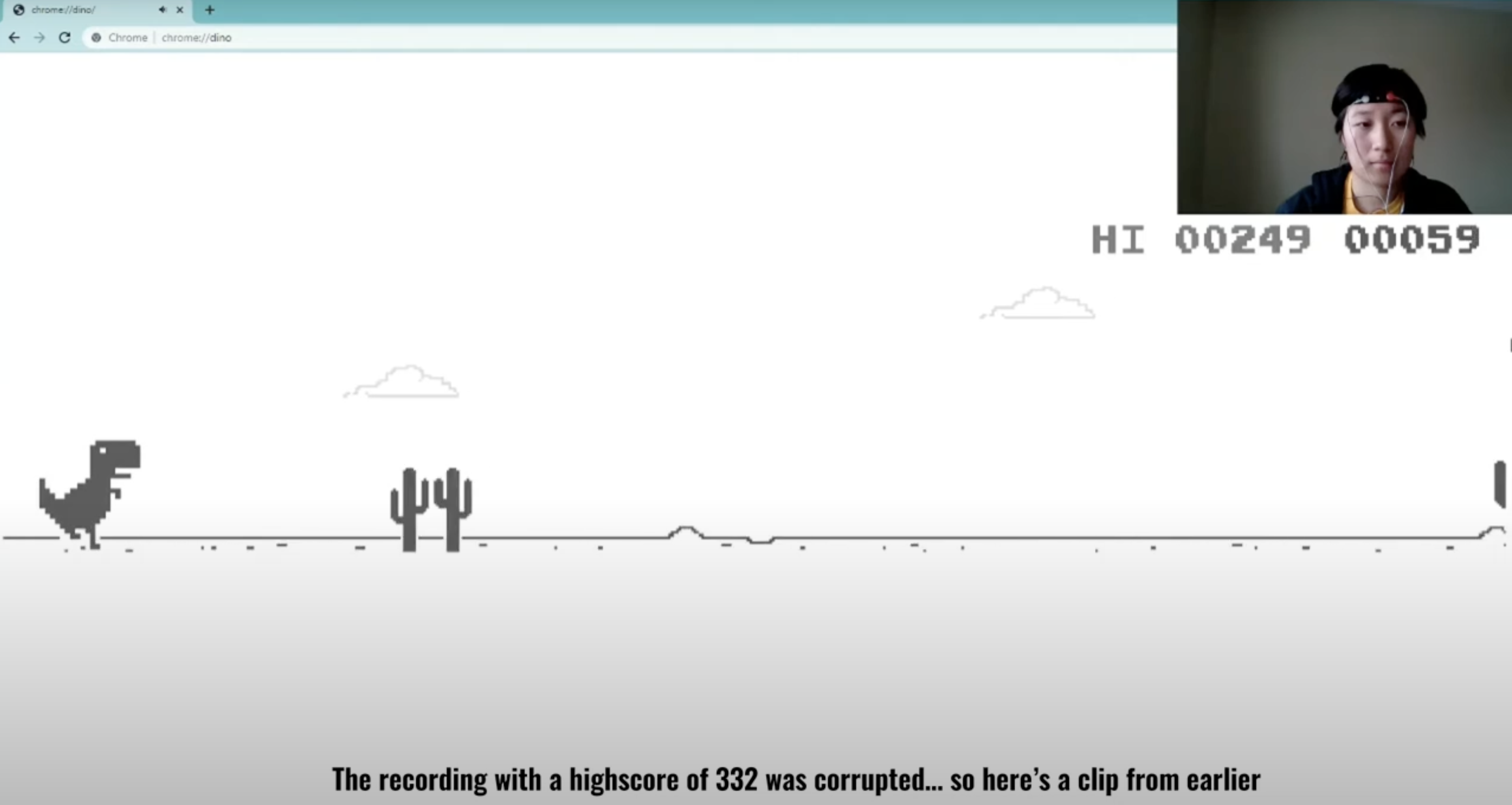
Completed during high school while under $1000 budget. There were rarely any guided tutorials back then. So, I had to dig through documentation, numerous forums, debug software and hardware.
Note 20Could we tell which personalities are more distractable from their working memory performance? [note-0011]
Note 20Could we tell which personalities are more distractable from their working memory performance? [note-0011]
At Neuromatch Academy, we hypothesized certain personalities were more distractable, measured by poorer working memory, and proceeded to check via clustering (KMeans, PCA, TSNE) and building a prediction model. Disappointingly, the results were not significant. We'd need to quantify distractability better. Presentation
Note 21Properties of spin [note-0053]
Note 21Properties of spin [note-0053]
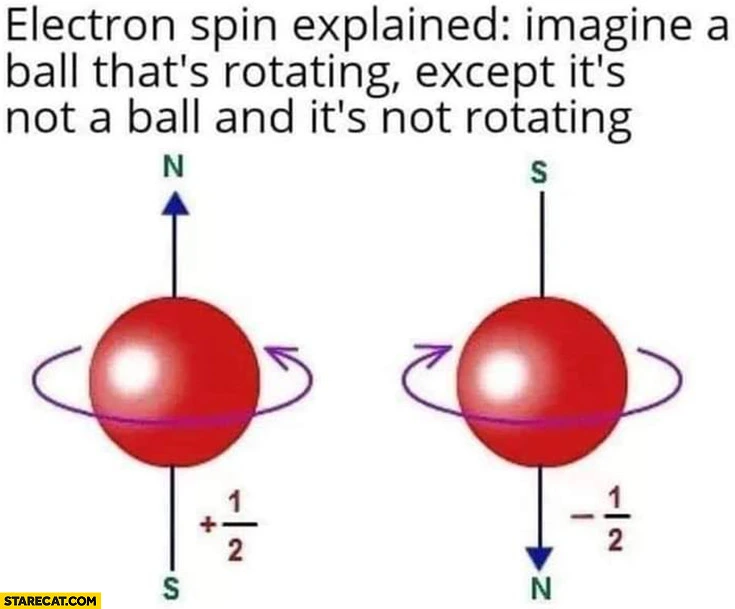
Particles have intrinsic properties such as mass and charge. Spin is another fundamental property of particles, distinct from mass and charge.
The concept of spin was first discovered through the Stern-Gerlach experiment:
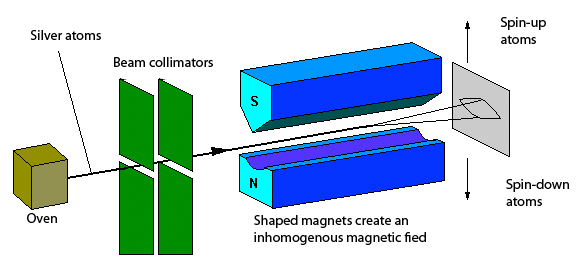
Setup.
Electrically neutral silver atoms (with 1 valence electron) were shot through a non-uniform magnetic field.
Expectation
Since silver atoms had zero orbital angular momentum, they were not expected to interact with the magnetic field and were predicted to pass through undeflected.
Observation
The beam split into two distinct paths, indicating that electrons possess intrinsic angular momentum (spin), which is quantized.
Note 22Bose-Einstein Condensate [note-0005]
Note 22Bose-Einstein Condensate [note-0005]
A state of matter. In sci-fi movies, BECs froze many people to death. In reality, they must be well isolated from the environment using vacuum technology, kept in the dark and in non-magnetic containers to prevent it from heating up. In fact, their heat capacity is so low that you couldn't even cool a small grain of sand with it, not to mention a whole person! Also, the condensate usually only lasts for a few seconds.
Conditions for Formation: video
-
Given density and extremely low temperature:
Achieved in labs using cooling techniques like laser cooling and evaporative cooling. At a fixed density, lowering the temperature reduces the thermal energy of the articles, allowing them to settle into the lowest possible energy state. These atoms' wavelengths will expand and will reach a collective quantum state, called the Bose-Einstein condensate. Temperature drops below a critical threshold/Bose-Einstein condensation temperature. -
High density for a given temperature.
For a fixed temperature, increasing the density of particles increases the likelihood of them occupying the same quantum state. In extreme environments like neutron stars, the density is so high that particles are forced into overlapping quantum states, even at relatively high temperatures. However, in lab conditions, achieving such high densities is impractical because it leads to strong interactions that disrupt the condensate. Instead, labs focus on low temperatures to achieve BEC.
Particle Types. Everything is either a boson or a fermion. The spin of an object determines whether it is a boson or a fermion.
- Bosons: Can overlap and occupy the same quantum state (e.g., photons, helium-4 atoms).
- Fermions: Cannot overlap due to the Pauli exclusion principle (e.g., electrons, protons).
- Fermions can form BEC-like states only when they pair up to act as composite bosons (e.g., Cooper pairs in superconductors).
Laser Cooling:
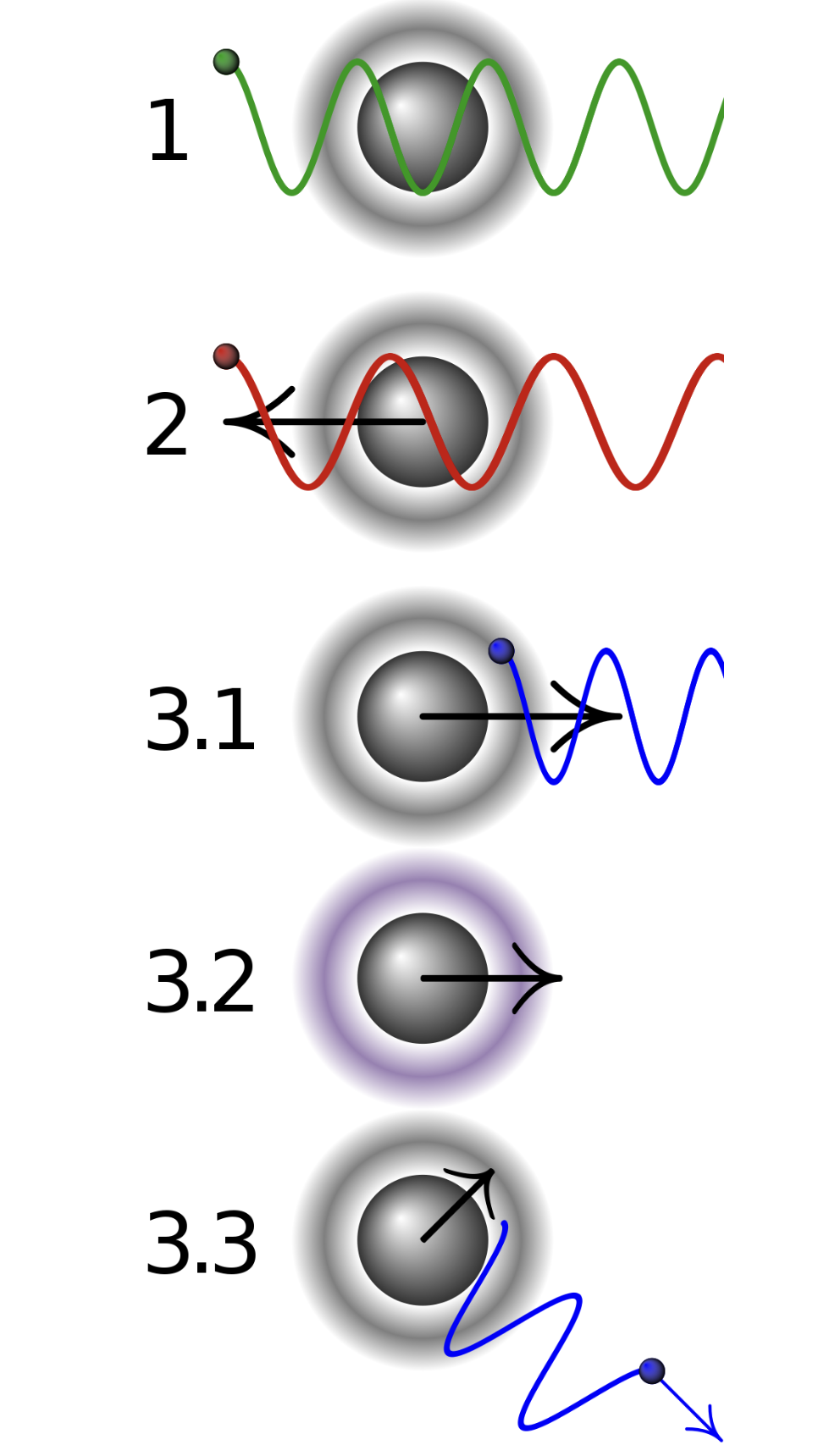 Atoms floating in space have specific absorption wavelengths corresponding to their electronic transitions. To cool them, a laser with a slightly longer wavelength is used. When atoms move toward the laser, they perceive the laser photons as blueshifted due to the Doppler effect (3.1). This allows the atoms to absorb the photons (3.2), with momentum opposite to the atom's direction and hence slowing the atom down. Repeat ad nauseum. After absorption, the atoms emit photons in random directions (3.3). Once the atoms stop moving, they no longer absorb photons, allowing them to accumulate in the center. This process is like a physical implementation of an "if statement"—if the atom is moving toward the laser, it absorbs photons and slows down; else, it remains unaffected. Isn’t that neat?
Lifetime in Labs:
BECs are typically very diluted gases (1/100,000 of normal air density). They last only a few seconds in lab conditions due to interactions with the environment.
Visibility:
BECs do not scatter light visibly, but their wave-like nature can be observed using specialized imaging techniques.
Zero Resistance and Movement:
In a BEC, particles occupy the same quantum state, leading to macroscopic quantum phenomena. Resistance can be zero because all particles move coherently without scattering off each other.
States of matter are defined by properties like conductivity, density, and quantum behavior.
A play to illustrate BECs - Source
The scene takes place on a sidewalk on 5th Avenue in New York City. A man named Dr. Bose is sitting behind a card table. On the table are some cups, balls, tape, paper and a black felt-tipped pen.
[A tourist comes up to Dr. Bose's table.]
Dr. Bose: "My name is Satyendra Nath Bose. Would you like to play Monte?"
Tourist: "How do you play Monte?"
Dr. Bose: "Well, normally a ball is placed under one of three cups. Then I shuffle the cups quickly hoping to confuse you. You guess which cup contains the ball. If you are correct, I give you a dollar. If you are wrong, you give me a dollar. Sounds simple, no?"
Tourist: "I have keen eyesight. Let's play."
Dr. Bose: "Well, eyesight won't help you with my version of Monte. In my version of the game, numerical labels -- one, two and three -- are taped to three balls. You get to put the three balls under the cups. Then, you get to guess which number is under a particular cup. During this whole process, I don't touch anything -- not the balls, not the cups. Only you handle them. Sounds like an easy way to make a buck, doesn't it? Want to play?"
Tourist: "Are you a magician?"
Dr. Bose: "No, I am a physicist."
Tourist: "Well, in that case, let's play."
Dr. Bose: "Here are the balls, here is some tape, here are the labels and here are the cups."
[The tourist takes that three balls and attaches labels with the numbers one, two and three to the balls. He then places the number one ball under the left cup, the number two ball under the middle cup and the number three ball under the right cup.]
Tourist: "Now what?"
Dr. Bose: "Choose a cup."
Tourist: "The middle one."
Dr. Bose: "Tell me what number is under it?"
Tourist: "Two."
Dr. Bose: "O.K. Lift up the middle cup."
[The tourist lifts the middle cup and is astonished to find the ball with the label one under it.]
Tourist: "That's impossible. I'm sure that I put the number two ball under the middle cup."
[The tourist hands Dr. Bose a dollar.]
Tourist: "Let's play again."
Dr. Bose: "O.K. Put the number one ball back under the middle cup."
Tourist: "Done."
Dr. Bose: "Choose a cup."
Tourist: "The middle one."
Dr. Bose: "Tell me what number is under it?"
Tourist: "One."
Dr. Bose: "O.K. Lift up the middle cup."
[The tourist lifts the middle cup and indeed finds the ball with the label one is under it.]
Tourist: "Give me back my buck."
[Dr. Bose returns the dollar.]
Tourist: "I must have just made a silly mistake the first time."
[The tourist puts the number one ball back under the middle cup.]
Tourist: "I again choose the middle cup and ball number one will be under it."
[The tourist lifts up the middle cup only to find the number two ball under it.]
Tourist: "That's strange. The number two ball was the one I originally thought was under the middle cup."
[The tourist gives a dollar to Dr. Bose.]
Tourist: "Well, since we're back to the original situation. The number one ball is probably under the left cup."
[The tourist picks up the left cup, only to find that the number three ball is under it.]
Dr. Bose: "You lose again."
Tourist: "I thought you said that you were not a magician."
Dr. Bose: "I'm not."
Tourist: "Then how did you do this trick?"
Dr. Bose: "It is not a trick and I did not do it. It did it itself."
Tourist: "I don't' follow."
Dr. Bose: "These three balls are bosons and they are part of a Bose-Einstein condensate. Their individual wave functions do not exist. Instead, they have a collective wave function, which does not permit them to be distinguishable. Thus, when you lift a cup, it is equally probable that you will pick any numbered ball. That is why I do not have to touch the cups. The balls randomize themselves automatically."
Tourist: "I didn't understand a word you said. Hey, I know what you are. You're one of those . . . What's it called. . . . psychokinesists, aren't you."
[Dr. Bose just shook his head. At this point, a voice shouts out, "Hey, Isaac have you seen the statue of Atlas in Rockefeller Center?"]
Tourist: "No. Hey, wait for me."
[And the tourist runs off].
[curtain falls]
Moral of the play: Don't play Monte with physicists.
Postscript: Rumor has it that Mayor Guiliana is proposing a new ordinance to prohibit the playing of Bose-Einstein Monte in public places in New York City.
The above play perfectly illustrates a Bose-Einstein condensate. When a Bose-Einstein condensate of a million atoms is achieved, the identity of each one is lost. If labels were placed on each atom to try to keep track of them, a person would have just as much trouble picking a particular atom out of the sample as the tourist had in selecting a numbered ball under a cup. It would be as if all the atoms had cups over them, hiding their identity. Each time an atom in a particular position in the condensate is picked, a random atom of the sample is selected. The atoms have lost their individuality. Of course, one cannot implement a Bose-Einstein version of Monte: the temperature is too high and the objects are too big. A Bose-Einstein condensate needs to have a very low temperature to allow the bosons to "stick together" and the bosons must be microscopic so that quantum mechanical effects are important.
Note 23Inverse Compton effect notes [note-0024]
Note 23Inverse Compton effect notes [note-0024]
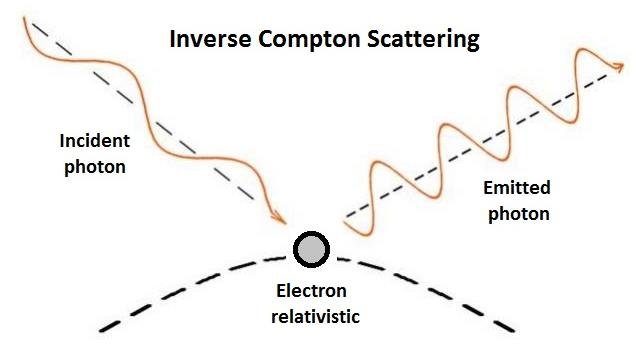
The Inverse Compton effect happens when a photon interacts with a relativistic/"hot" electron. The kinetic energy is transferred from the electron to the photon, which emerges with a higher frequency (e.g. X-rays in the image). The electron cools off.
Note 24Physics and math sources [note-0042]
Note 24Physics and math sources [note-0042]
-
Explorable physics. https://landgreen.github.io/physics/
-
Theoretical minimum. https://theoreticalminimum.com/courses
-
Feynman lectures.
Classical mechanics.
- Prof. Deepto Chakraborty at MIT.
- Walter Lewin lectures.
Electromagnetism.
-
Prof. Walter Lewin at MIT.
-
Astrolab utoronto. https://www.astro.utoronto.ca/~astrolab/
-
quantum physics II. https://ocw.mit.edu/courses/8-05-quantum-physics-ii-fall-2013/
the fundamentals.
-
physics classroom. https://www.physicsclassroom.com/class
-
Khan academy https://www.khanacademy.org/science/ap-physics-1
YouTube:
- Bozeman Science
- Parth G
- Arvin Ash
- Physics Girl
Note 25Procrastinator simulator and misc text games [note-0014]
Note 25Procrastinator simulator and misc text games [note-0014]
Procrastinator simulator: A text game where you try to finish a task list but each time a dice determines the duration you take (cursed LOL) by Yoyo. Test it out here!
Mining Away: Collatz conjecture implemented as a game of mining bitcoins while avoiding lava.
Acacia Tree: Acacia during sunset, python art. video
Shooting basketball: See the demo here