Tag#simulation
Tag#simulation
Note 1Impossible triangle [note-0022]
Note 1Impossible triangle [note-0022]
According to a popular meme, university students must choose between sleep, studying, and socializing. I adapted it into a moving graph consisting of sleep, studying, and extracurriculars coded in processing java. The code combines geometry with behavioral research. As part of the assignment to practice coding techniques, I coded the graph without using any libraries. This project is collected into a memorable list of grade 12 OOP design projects of all time out of a few hundred projects.
Note 2Magnifying glass burning ants thermal simulation [note-0030]
Note 2Magnifying glass burning ants thermal simulation [note-0030]
A physics simulation program regarding the behaviour of light rays passing through a magnifying glass. Materials include: grass, wood, ants and paper. It calculates the light energy converted into heat energy and simulates a fire if the temperature of the object exceeds its ignition temperature.
My team used a simplified formula to compute the temperature increase based on one photon per second. Then we scaled it up by factors e.g. number of photons per meter per second, the surface area of the magnifying glass and conversion efficiency.
Note 3Reading particle swarm optimization and implementing it in Unity [note-0055]
Note 3Reading particle swarm optimization and implementing it in Unity [note-0055]
A friend @0xredJ has found this helpful and I decided to share my notes!
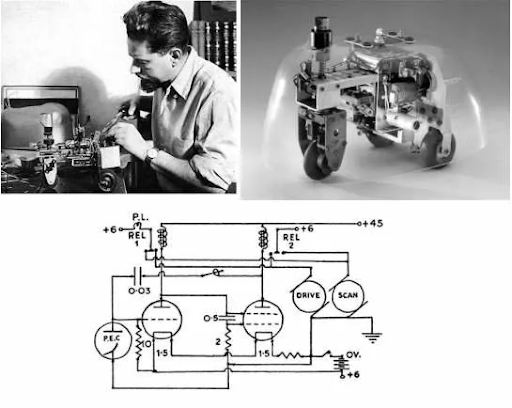
A time ago, Feynman noticed the ants in his kitchen would form trails to food sources. So, he enticed the ants with a sugar cube and disrupted them by drawing coloured trails on the ground. The ants didn't care. Then he folded a paper bridge and waited for ants to step on them. Then he ferried the ants from one place to another. At the new location, the ants would initially be lost but over time form a nearly shortest path again.
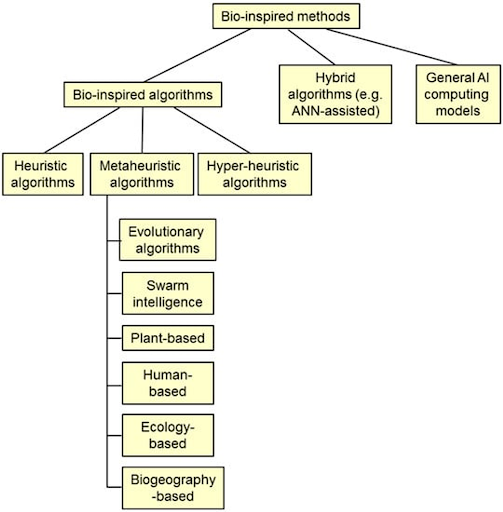
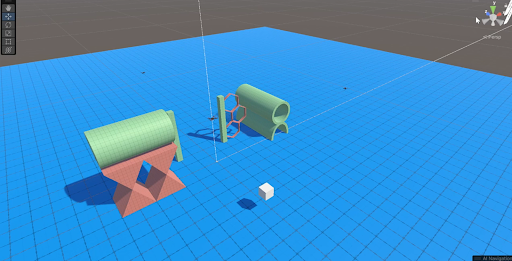
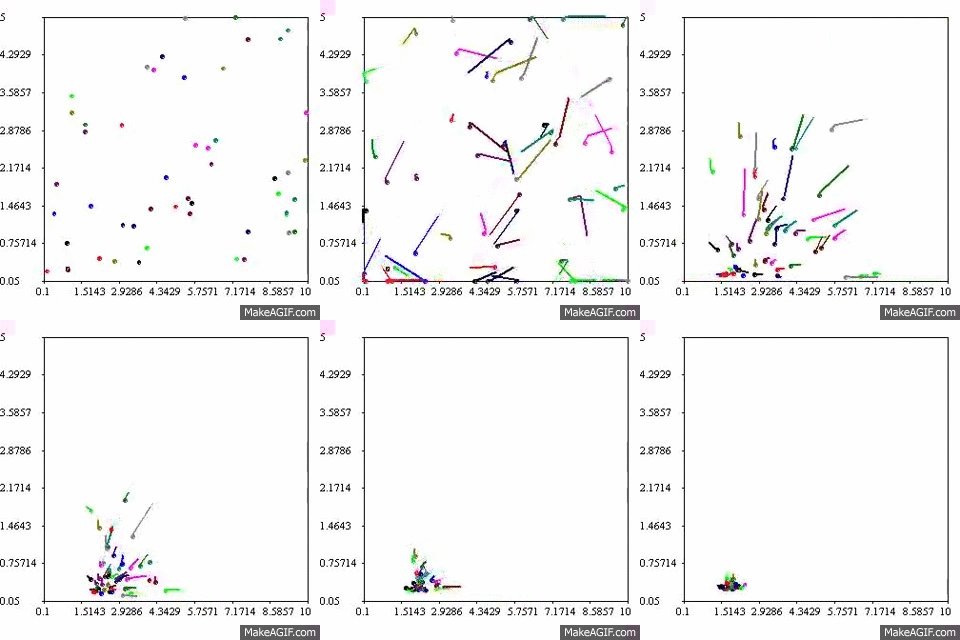
This... indirectly foreshadowed the development of Ant Colony Optimization and many more that describe the social behaviour of insects and in nature toward a target. Particle Swarm Optimization is a famous one, let's see a video (plugging my code demo!).
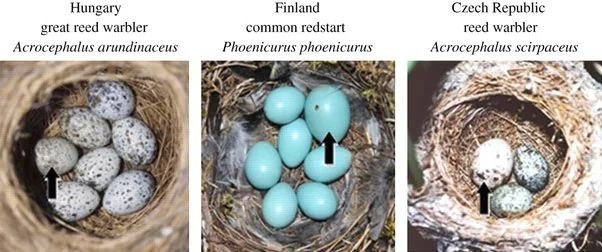
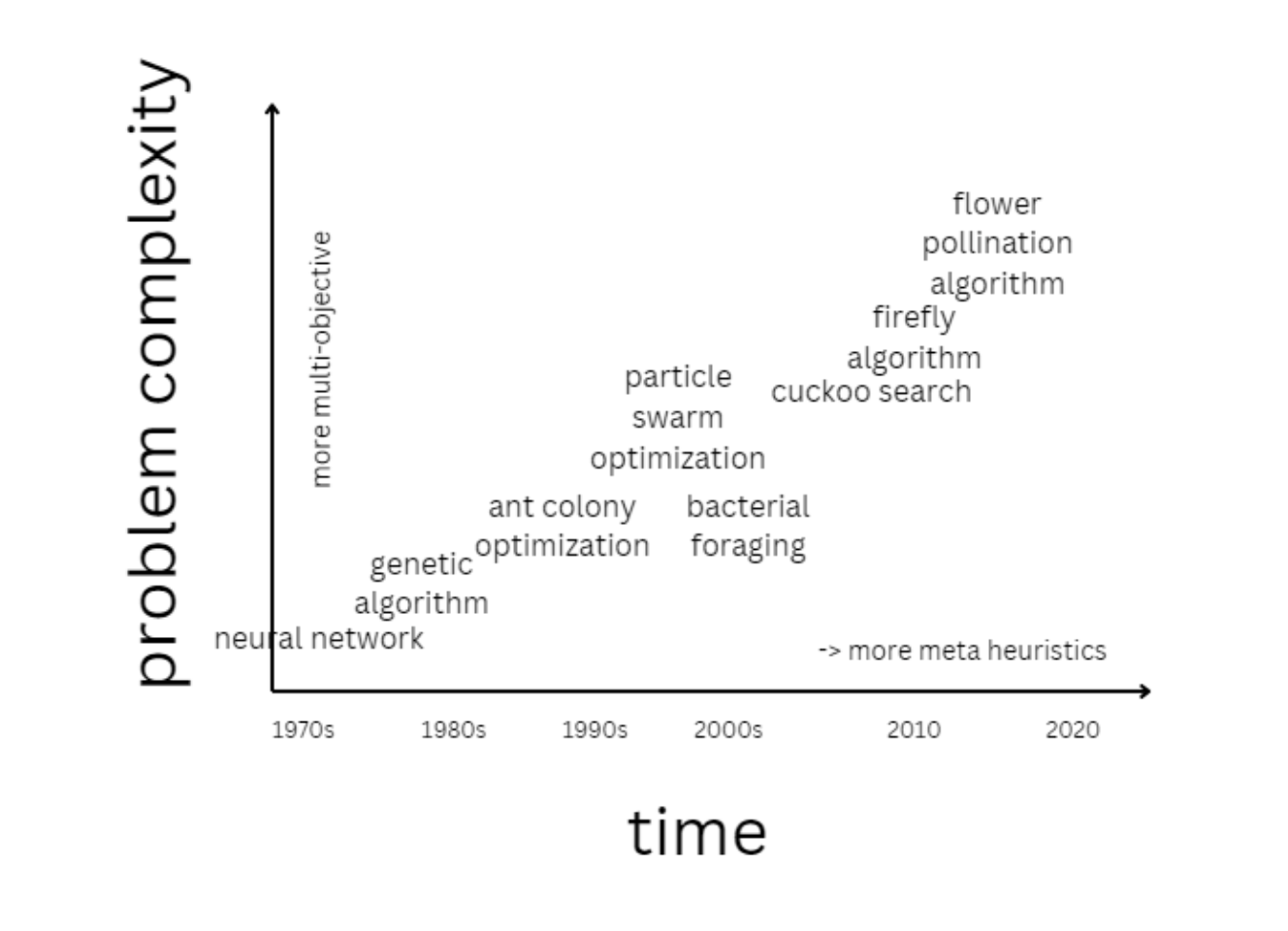
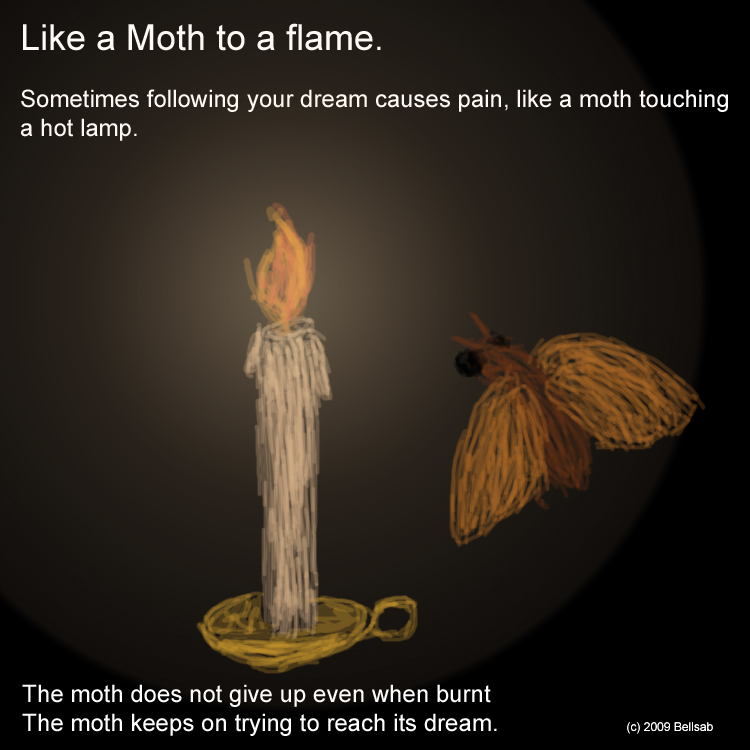
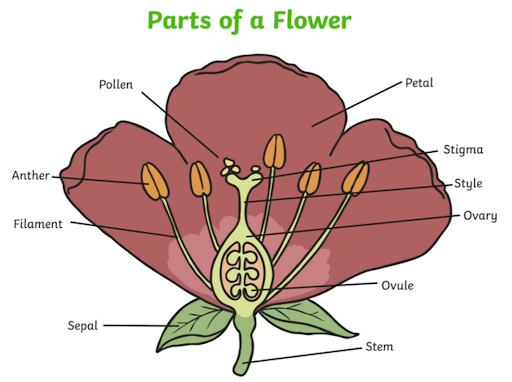
Of course, there are also bacteria, fireflies, cuckoos, flower polllination and living neurons which served as inspirations. You can see the development of these algorithms through time.
 Assumptions
 Forms of pollination: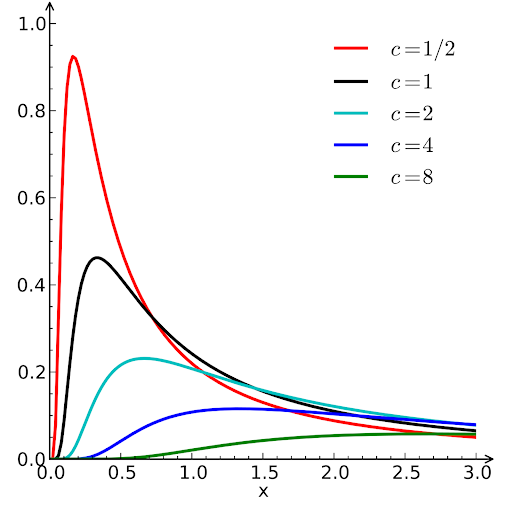
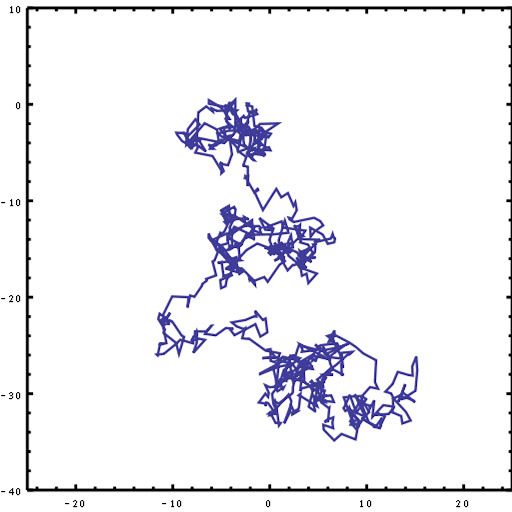 The area under the curve sums to one. So, we model distances using Levy flights to mimic the behavior of pollinators traveling between
flowers.
The area under the curve sums to one. So, we model distances using Levy flights to mimic the behavior of pollinators traveling between
flowers.