Everything else
- 11 notes
Everything else
- 11 notes
Notes that belong to no section in particular, composed into one continuous view.
Note 1
Note 1
Note 2
Note 2
Note 3
Note 3
e-waste
In UC Berkeley:
- Wurster Hall — 1st floor. Go under the stairs, past the restrooms and drinking fountains and turn left.
- Sutardja Dai — 2nd floor. Accessible from the loading area.
- Davis Hall — 1st/2nd floor
- Etcheverry Hall — 1st floor. In the hallway, near a bunch of gas cylinders.
- McCone Hall — G/1st/2nd/3rd floor. Be prepared for a lot of rocks...and some tech too, I suppose.
- Latimer Hall — B floor. Exit the elevator and turn left. If you turn left again, there's some boxes with free laboratory glassware. If you turn right instead, there's the e-waste bins.
- 8th floor Berkeley Way West. The e-waste quality leans "old"
- Valley Life Sciences Building — 3rd floor, in the cargo elevator room
- Evans Hall — 4th/9th floor (infrequent)
- Soda Hall — 1st/2nd/3rd floor (infrequent, but VERY nice when it appears, so still check regularly!)
Note 4
Note 4
2026 logs: Received a series of focused ultrasound stimulations at Koret Neurosciences Received a free ticket to MC0001 Dimensionality reduction of San Francisco group houses — play it here The Physics of MRI and ultrasound — notes Visited Neurotech hackathon at Frontier Tower and talked to Sharena Rice Headed to soda hall to larp as a sustainability volunteer to scrap for e-waste, where I was kicked out Asked Ekin from Periodic Labs about his plans to construct the Chemputer + SEM optimization, he was dumbfounded Eugene Izhikevich was building a startup, I asked him how many employees he has. He said it's just him and cursor Lucas Center — Received MR-ARFI + transcranial ultrasound stimulation more than reading it in the literature Stumbled into PhD defense re: the great ungulates of CS by Dr. Xavier Gonzalez Free lunch at Google HQ Attempted to study Earthquakes, greeted by an actual magnitude 6.0 Earthquake in Kamaishi, Japan Jun 2025: Lived in Vivarium, a trans warehouse in SF Infiltrated TreeHacks accidentally with 10 friends
Note 5 [note-0031]
Note 5 [note-0031]
5.1March readlogs
5.1March readlogs
5.1.1Ben Barres autobiography, trying focused ultrasound, floating in sf peninsula, slightly deadish
5.1.1Ben Barres autobiography, trying focused ultrasound, floating in sf peninsula, slightly deadish
Source: feralscholars.substack.com/p/march-readlogs — Yoyo

The author wants to be referred to using gender-neutral terms. If I were a fish and you caught me you'd say "Look at that fish", shimmering in the sun, such a rare one can't believe that you caught one!
5.1.21. Upbringing
5.1.21. Upbringing
Ben's mom and dad was not a compatible pair; Mom was happy yet often irritable due to the lack of sleep, possessing high intelligence. She had been streamed into secretariats to only take up a mathematics degree later — textbook Guzey's cursed talent "parents failed in life". Ben had a first agentic inflection point at 14, when he rejected going to church.
5.1.32. Ben's years at MIT
5.1.32. Ben's years at MIT
Ben took up numerous courses at various universities in late high school, including getting into computer programming early. Initially, there was lots of fluid exploration → excellence. This then solidified into a sure direction of neurobiology research, where the process of specialization is gradual: Choosing between the dichotomy of clinical vs research, then, experimental vs computational vs theoretical, followed by patch clamping techniques, then the substrate of glial cells, and their ion channel activations. In the failed experiments are a lot of methodology groundwork.
Undermentorship prevented Ben from progressing in his career. Profs did not encourage Ben when he successfully solved a question.
To my dismay, he sneered at me and said that my boyfriend must have solved it for me. I was offended because he was unfairly and wrongly accusing me of cheating. It was many years before I realized that his meaning was deeply sexist — he just couldn't believe a woman had solved the problem when so many men had been unable to
He was rejected by numerous labs, and the one ran by fem professor did not provide much mentorship. Pattern! Gender non-conforming people are often undermentored and believing they're less skilled! After major failing, during an extended Happy Weekend, Ben chooses to directly head back to Boston rather than staying at the beach, not because it is optimal, because they wanted it.
5.1.43. Grad school
5.1.43. Grad school
Experimentalist failing: Too many experiments have been done with data, yet no papers have been written by their 4th year of phd, contrast this to the more familiar theorist fail, where ideas were bottlenecked by execution.
One night in my third year I used a dounce homogenizer to isolate some nuclei that I labeled with a fluorescent nuclear dye so that I could visualize them and try to patch onto them to see if there were any ion channels in the nuclear membrane. I did the experiment late at night so David would not catch me, but all of a sudden, around 10 p.m., he suddenly appeared. He asked me what I was doing. I said, "Nothing, just the same old thing." He said, "Let me see." He sat down at the microscope, looked through the eyepieces, and . . . I was busted! He was silent for a minute. I could see he was not happy. He looked at me and said, "You know, someday, if you ever learn how to focus, you are going to be a great scientist." … By my fourth year, when no papers had yet appeared, David banned me from the lab. He sent me home with a computer and told me not to come back to the lab until I had written at least one paper.
By the time of their PhD defense, it seemed like a huge body of work had accumulated around glial cells that were "big questions carried out a small step" groundwork. This zoom-out gives perspective, placing the body of work people usually do over several years in the megastructure of science. Moonlighting while doing research at the same time led to crash outs. He was funded by a scholarship in undergrad, now got a yearly salary, which contributed to more total sleep time and sharp rise in performance. New grad students are often bad at choosing mentors, and doing this could set back one's career. He was initially rejected by Martin, who later said yes to Ben being a postdoc after asking several times.
During my first year in Martin's lab, I did not listen much to his advice. I worked hard and long hours on at least six different projects. One by one, each of these projects failed.
Ben notes people who accelerate and skip their postdocs have often been found working on the same problems as before. They tend to be risk averse. It takes decades to understand the infrastructure of science and successfully execute + ideate as one's skills allow them to.
5.1.54. Stanford
5.1.54. Stanford
The Harvard argumentation style is asking questions on the verge of destruction. Martin trained people to focus on the bigger picture by asking "what is your biggest takeaway". Now that I reflect, my systems-thinking instincts could've very much came from nurture! On the flip side, some people might've been trained to deliver technical details during childhood, if engineer parents had been asked "how did you implement it?" or, "why did you design the system this way?"
Counteroffers. It can take 2 years for an offer to materialize. things move fine-grained and slow.
Very common for young investigators who hadn't established themselves prior to be met with skepticism. I guess that's why people go for fellowships and awards as a shortcut. Ben's first five years were very tough in getting grant support; Grant scores and NIH only accepted grants scoring in the top 7% then.
5.1.65. Transitioning
5.1.65. Transitioning
I strongly feared that a transition would end my career. For about a week, I was almost unable to sleep from the stress as I pondered whether I should transition or commit suicide
Ben sent out an open letter providing context of gender dysphoria. They're trans because exposure to male hormones during pregnancy, mullerean agenesis, breast cancer coincidentally led to top surgery. Even as a trans guy, he advocated for women's education.
5.1.7Bypassing spike sorting
5.1.7Bypassing spike sorting
Bypassing spike sorting was an unusual read.
- The authors derive a specific scaling relation where the squared distortion (e²) of a neural manifold scales linearly with the expression 1/M ln(CT/τ). In this formula, M is the number of channels, C is the number of conditions, T is the trial duration, and τ is the temporal autocorrelation length. But I think it was not clear this relation generalizes from the motor cortex which is relatively well studied and rhythmic to more sensory-driven and associative areas.
- The authors frame a single electrode recording as a random projection of a high-dimensional neural state into a lower-dimensional space, by applying the Johnson Lindenstrauss lemma from statistics into neuroscience! They argue that the spiking activity on a single electrode — composed of a linear combination of isolatable units plus "hash" — is not "corrupted" data, but rather a valid, noisy projection that preserves the geometry of the low-dimensional manifold. What is the biological nature of this hash? Can we productively use tossed out data to recover neural information?
The classic estimation process may had stopped serving useful estimations in motor BCIs.
"First, the process of spike sorting is both time consuming and inexact, with significant variability between experts (Wood and Black, 2008). For a typical experiment composed of many hours of neural recordings, an expert human sorter may spend several hours to make hundreds or thousands of small and uncertain decisions to manually sort spikes on a single 100-channel electrode array (e.g., Utah array [Maynard et al., 1997]). New high-channel-count recording technologies like Neuropixels are becoming available that will enable recording from thousands to millions of channels simultaneously. A dataset composed of 1,000 channels could take over 100 h to hand sort, with no ground truth available to validate results."
The base level of useful analysis is not necessarily, a singular neuron.
"Second, in real-world experimental conditions, chronically implanted multielectrode arrays in animal models or in humans often feature many channels with neural activity that cannot be isolated into single neurons (e.g., Pandarinath et al., 2015) by either manual or automated sorting."
5.1.8At the Mountains of Madness (Gou Tanabe)
5.1.8At the Mountains of Madness (Gou Tanabe)
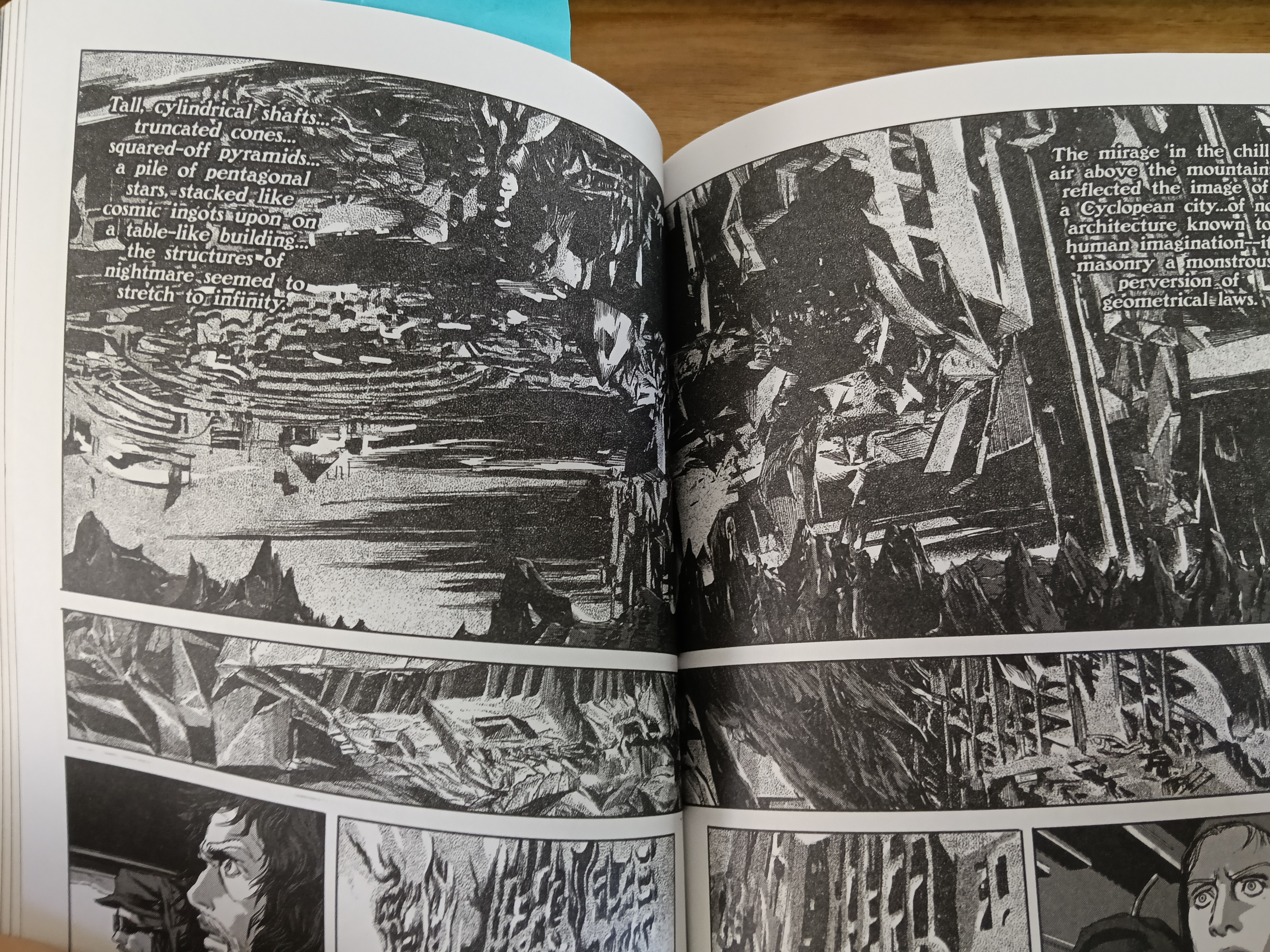
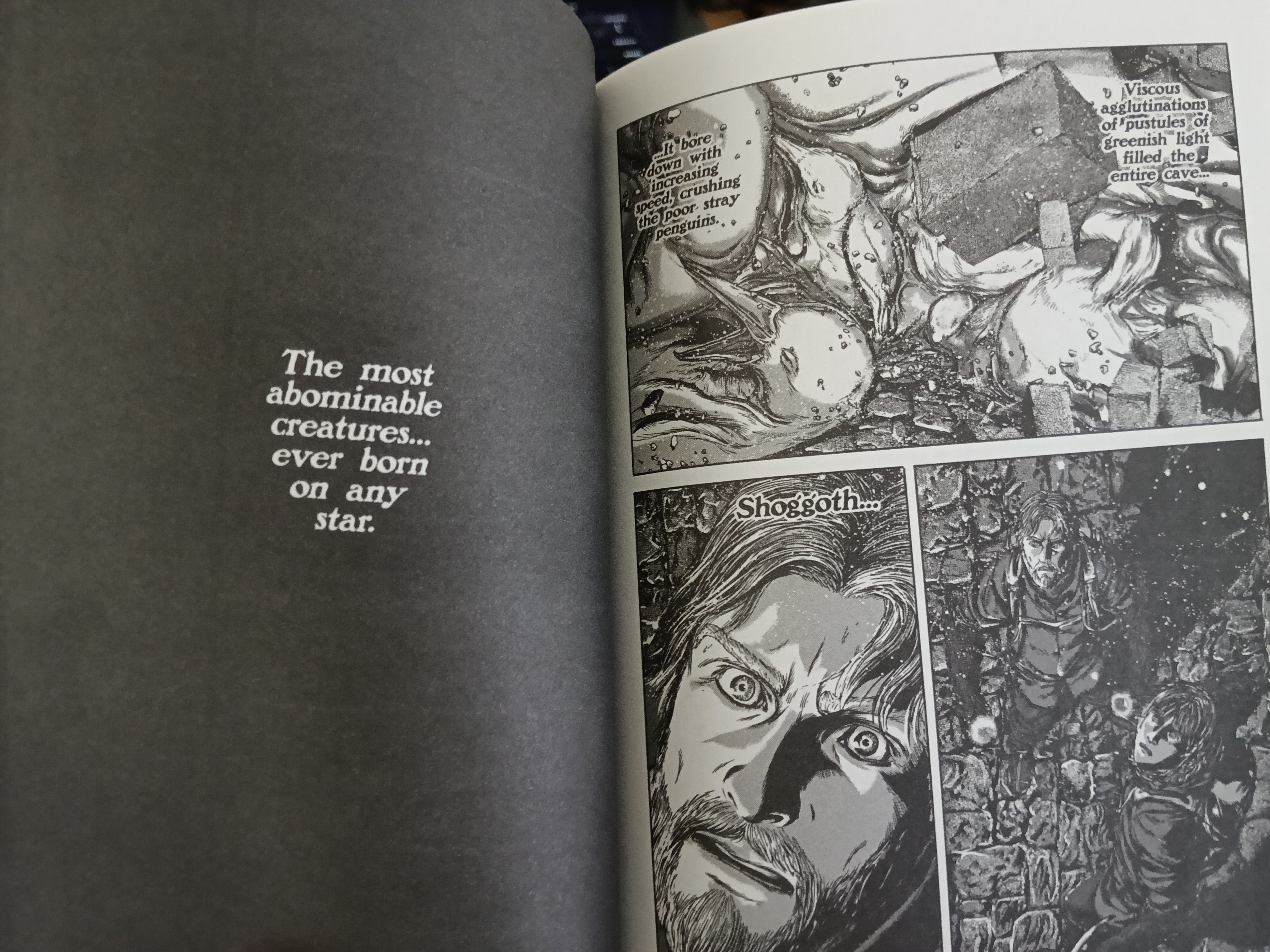
At the Mountains of Madness, graphical interpretation by Gou Tanabe — The narrative structure of cosmic horror is a bit like Chinese communication, so I wonder if Chinese audiences are quickly bored by the book… I was just here for the graphics to feel the texture of language, which I rate a 5/5. And, why did dream cycles not directly inspire inception?
"About Antarctica, where life and death, space and time have made black and blasmphemous alliances in the unknown epochs since matter first writhed and swam on the planet's scarce cooled crust" For some reason this Tanabe interpretation is European tainted…
5.1.9Sleep & brain regions
5.1.9Sleep & brain regions
Hypocretin-1 responsible for wakefulness in the C process of circadian rhythm. There is a parietal-temporal-prefrontal loop for producing sleep spindles, a feedback oscillator. Jingles. A activates B. B activates C. C inhibits B 🎶. There is the shared upstream in the fronto-limbic brain for depression, insomnia, PTSD. Metacommentary: Types of sleep papers.
Brain regions could be thought of as projector nodes and integrator nodes. Continuing to parse SNEL's list of comp neuro papers (I didn't know that Dario Amodei wrote comp neuro papers too), statistical techniques including LORETA which were mostly symmetric. Peeking inside my friend's brain from all of their fMRI data…
5.1.10❄️❄ White Nights ❄️❄
5.1.10❄️❄ White Nights ❄️❄
When I was extremely lonely during 2020, I also remember info-dumping people like the protagonist does here for pages. I'm no longer lonely and I just dump publically.
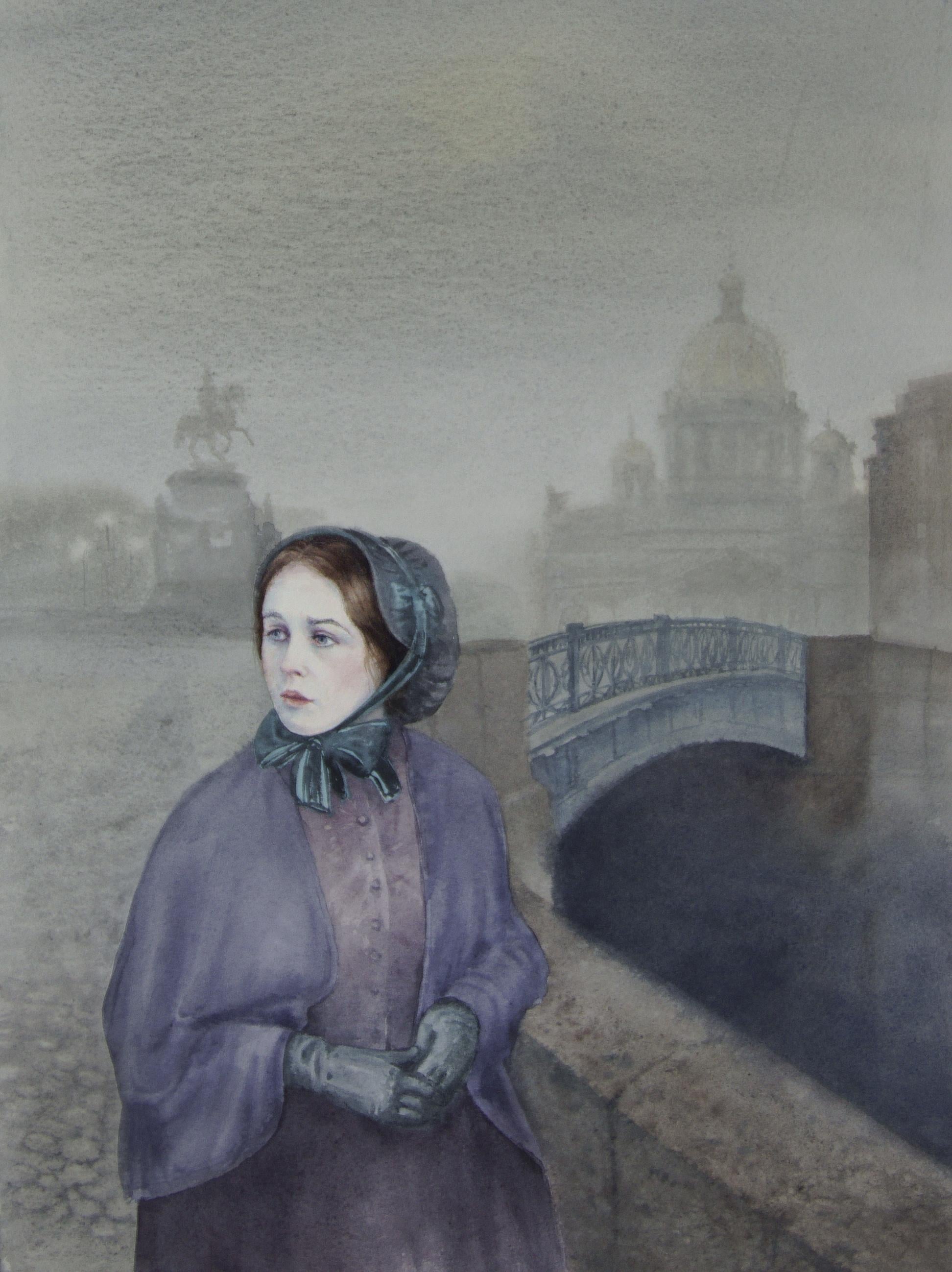
"Do you know," she began, "I feel a little vexed that you are not in love with me? There's no understanding human nature! But all the same, Mr. Unapproachable, you cannot blame me for being so simple; I tell you everything, everything, whatever foolish thought comes into my head."

5.1.11March events
5.1.11March events
3 hours of focused ultrasound. I'm hopeful about transcranial ultrasound stimulation having tried it for myself for a visual attention study at the Lucas Center, reaching deeply inside the brain is cool!
Listening to Surya Ganguli talk about statistical mechanics. Interesting application of physics in neuroscience… Then I read about random matrix theory, replica methods at home. I would also need to read this compressed sensing paper and also statistical mechanics of complex neural systems and high dimensional data.
Periodic labs colloquium. This startup is a whirlwind spreading too thin (reminds me of this Kasane Teto song)! People asked about Ekin about his robots, and of course I asked about the chemputer, and what came out of the language-model scanning electron microscope optimization, he didn't provide answers to. Ekin does suggest rewriting legacy scientific software in modern languages: Translating electrodynamics packages in C++ into Jax.
On the discovery of superconductor graph there are several "trails" of families of superconductors. Once a trail had been identified, discover the next superconductor was relatively easy. 1.2 superconductors were discovered per year over 30 years… there are decades of gaps but the process could be replicated in a day.
Comsol multiphysics workshop. A one-size-fits all solution that is crazy expensive…
Jennifer Doudna lecture. AI generated TnpBs preserve enzyme dynamics, but have new RNA/DNA contacts added, much analogous to artefacts in AI slop.
Appearing at MAA.
Eugene Izhikevich dinner. Deeply human, he was sharing the joys of vibecoding in cursor, running a one-man startup. He proceeded to recommend thinking about what is the Adam Optimizer for spiking neural networks.
Free Lunch at Google HQ!!! Thanks to Svitlana.
Stumbled into PhD defense re: the great ungulates of CS by Dr. Xavier Gonzalez.
I feel sick (Just fucking try it, I tried it) In a spotlight shaped like a spiral. I still feel sick! Several weeks of stress turning into nausea/fevers, aye yai yai… This is a friendly reminder to take N-Acetyl Cysteine and choline; Euler took 10 years to prove the Basel series multiple times while he was becoming blind. Sounds trite, but, from experience, years of physical sickness is not a reason to give up.

daily reminder on my wall
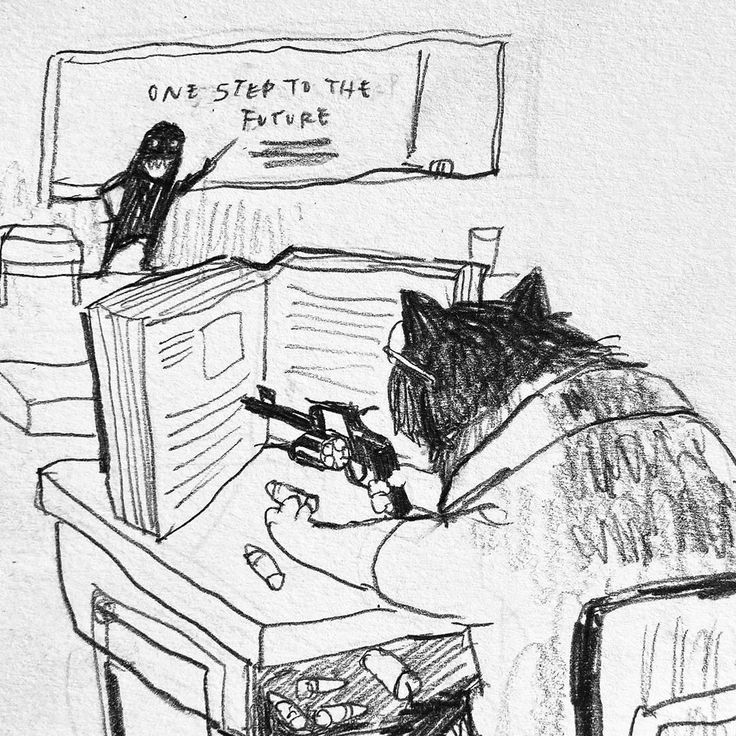
"I am a sick [person]... I am a spiteful [person]." Mental monologue begins yearning for Dostoyevsky, "I am an unpleasant [person]. I think my liver is diseased. However, I don't know beans about my disease, and I am not sure what is bothering me. I don't treat it and never have, though I respect medicine and doctors. Besides, I am extremely superstitious, let's say sufficiently so to respect medicine. (I am educated enough not to be superstitious, but I am.) No, I refuse to treat it out of spite. You probably will not understand that."
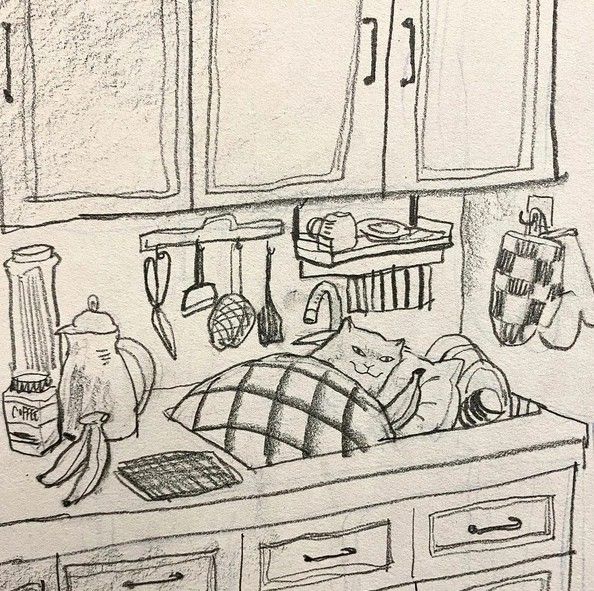
"I'm lying in my bed five flights up and my day which nothing interrupts is like a clock face without hands. Just as a thing that has long been lost is found one morning back safe and sound where it belongs and looking almost newer than it did at the time it went missing just as if someone had been taking care of it: so here and here on my blanket lie things that were lost in my childhood and are now like new. All my lost fears are here once more."

Liked reading partially: Snow Crash, Project Hail Mary
Other: cultivating chosen friendships, reconciling conflicts, being awkward and sincere along 1 – 3 closest friends.
Note 6
Note 6
Personal 7Complexity of friend break-up
- 09-26-2026
- Yoyo
Personal 7Complexity of friend break-up
- 09-26-2026
- Yoyo
(in progress) friend breakup has fibonacci complexity points
- 1: send a straightforward text
- 2–3: mildly awkward conversation
- 5: serious conversation, known disagreement
- 8: relationship renegotiation with several unresolved threads
- 13: friend breakup
- 21: friend breakup + shared community + belongings/projects/mutuals
- 34: social graph split into multiple factions with ledger of grievances with an underground 14-page Notion document
Favs 8Focused Ultrasound and MRI Physics [note-0060]
- 04-09-2026
- Yoyo
- #ultrasound
- #MRI
Favs 8Focused Ultrasound and MRI Physics [note-0060]
- 04-09-2026
- Yoyo
- #ultrasound
- #MRI
8.11. A fantastic stimulation at Lucas Center!
8.11. A fantastic stimulation at Lucas Center!
One sleepy morning, I appeared for a transcranial ultrasound study at the Lucas Centre at Stanford, where I was sent into an MRI machine, asked to focus on a visual stimulus and click buttons accordingly. Despite my sleepiness, the force is extremely strong with this one (metaphorical and literal), and I instantly focused!
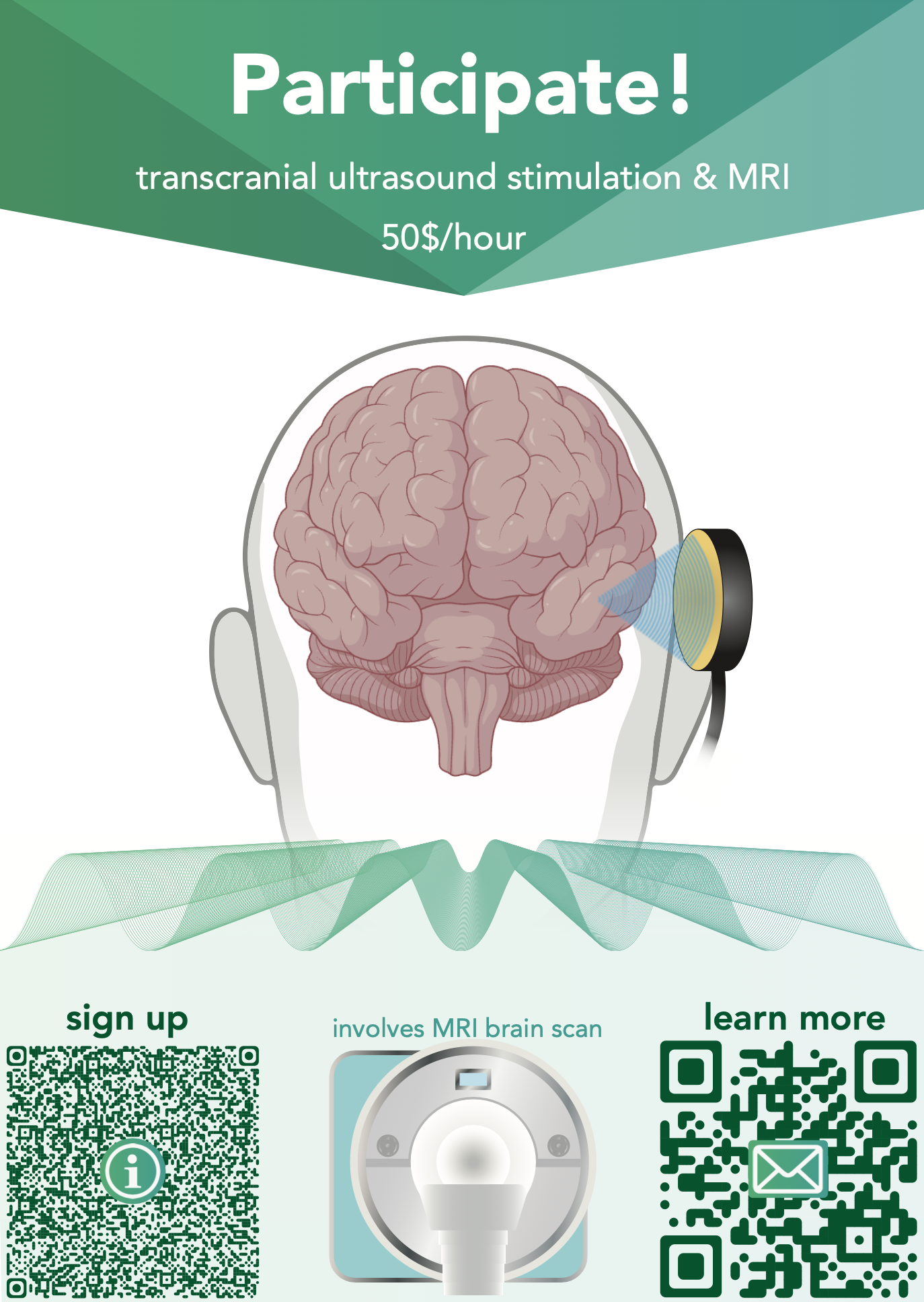
Fig 1. A flyer recruiting for a focused ultrasound study at Lucas Center.
Historically, MRI has dominated the medical imaging of the brain. Ultrasound was traditionally considered inadequate for neuroimaging, due to a series of reflection issues making the image blurry, but algorithmic improvements have caught up to speed these days to remain hopeful.
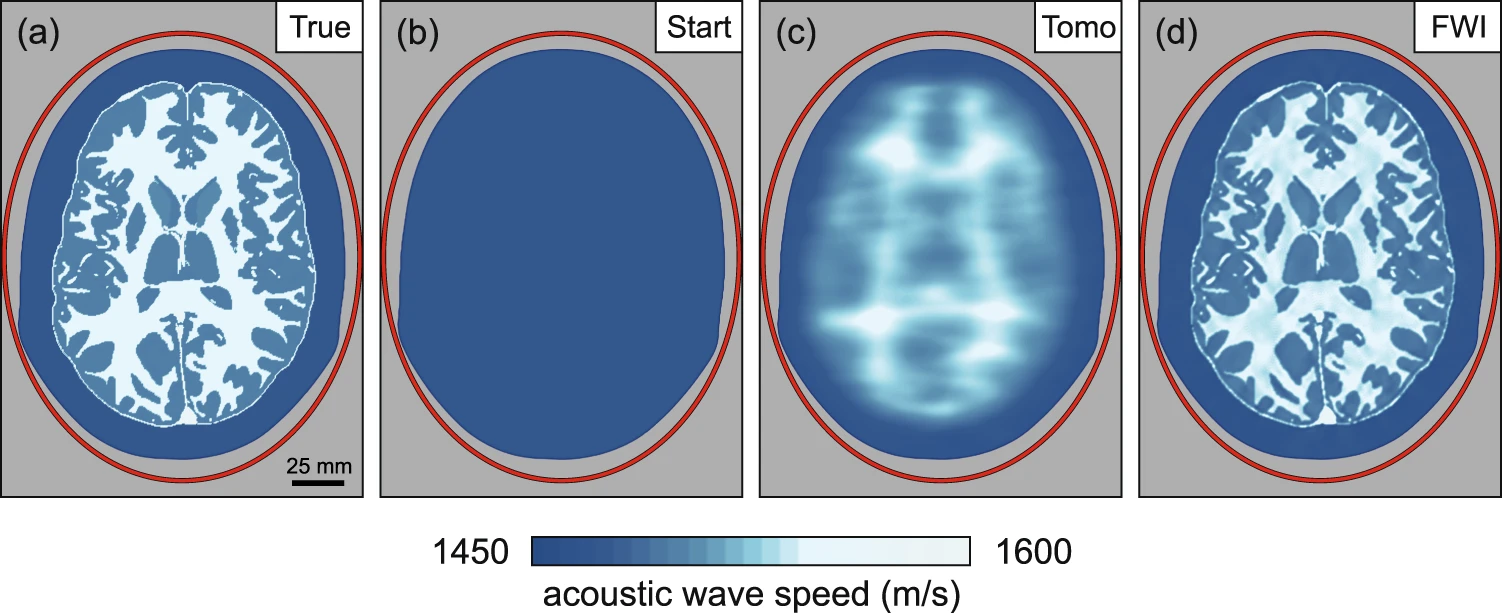
Fig 2. A resolution enhancement technique from Guasch et al. (2020), contrasting unimproved ultrasound (c) to improved FWI ultrasound (d). Source: Nature Digital Medicine [8].
8.22. MRI electromagnetism and ultrasound wave physics
8.22. MRI electromagnetism and ultrasound wave physics
Each of MRI and ultrasound exploits different tissue properties and wave physics. Ultrasound stimulates the brain via mechanical pressure waves and is favoured for its capabilities to reach deep structures with a handheld device at a reasonable cost. One simply applies conductive gel on the subject’s head and sets the transducer array on top. Then, pulses of ultrasound are delivered, transmitting via longitudinal pressure waves into the tissue.
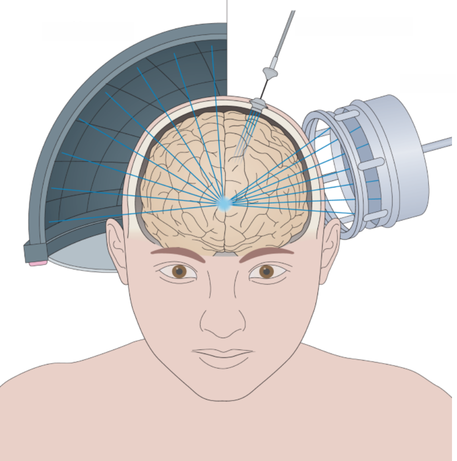
Fig 3. An ultrasound transducer array on the subject’s head. Source: Deffieux et al. [6].
8.2.12.1 Acoustic Radiation Force
8.2.12.1 Acoustic Radiation Force
Newton’s second law, F = ma, is applied: momentum from the focused ultrasound wave is transferred into the tissue and then imaged. When this longitudinal pressure wave is absorbed or reflected by a medium, the momentum is transferred into a force known as the Acoustic Radiation Force (ARF), calculated as:
F = 2αP² / (ρ₀c²) = (2α / c) · I
where α is the absorption coefficient, P is the acoustic pressure, ρ₀ is the medium density, c is the speed of sound, and I is the acoustic intensity.
8.2.22.2 The Acoustic Wave Equation
8.2.22.2 The Acoustic Wave Equation
In three dimensions, the acoustic wave equation is:
∇²p − (1/c²) · ∂²p/∂t² = 0
Here, ∇² is the Laplace operator (also called the Laplacian), which computes the sum of second partial derivatives across all spatial dimensions: ∇² = ∂²/∂x² + ∂²/∂y² + ∂²/∂z². It is a term describing local curvature of the pressure field. p is the local acoustic pressure, and c is the speed of sound. This PDE is derived from Newton’s second law applied to a continuous fluid element and the bulk modulus relation [1]
8.2.32.3 MRI basics
8.2.32.3 MRI basics
MRI is an imaging tool based on the water nuclei within the human body and their responses to magnetic fields. Initially, within the water nuclei, the protons are randomly oriented. A radio-frequency (RF) pulse, which is a burst of electromagnetic energy, disturbs the water nuclei. The nuclei have excess energy and will, after a certain period, spontaneously lose the energy by emitting another RF signal as they relax. These signals are measured by the computer [2].
During the time when protons have gained energy, they rotate about their axis, known as precession. The precession varies in frequency, known as the Larmor frequency:
f = γB
where γ is the Larmor constant (magnetogyric ratio) and B is the magnetic field strength. The Larmor frequency is sent back to the computer.
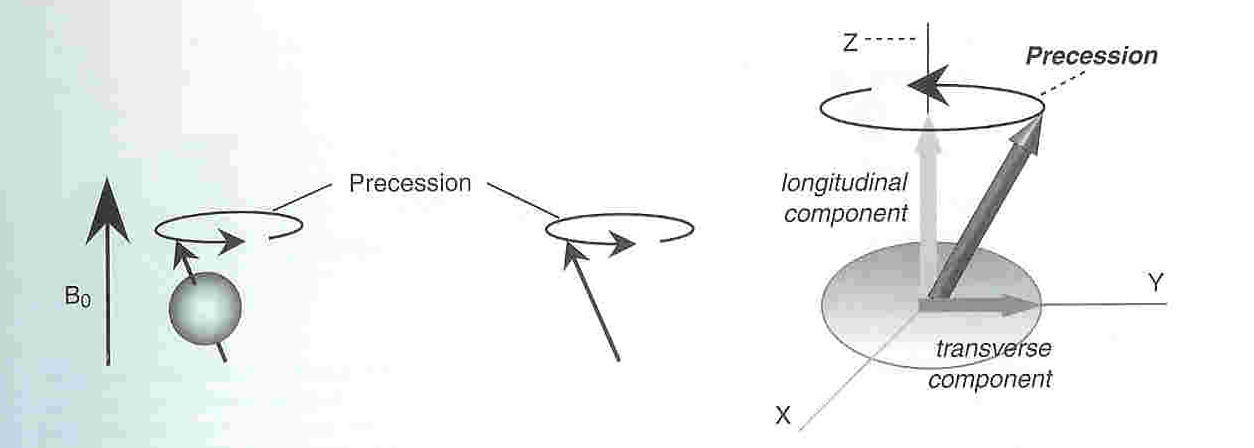
Fig 4. Diagram of a singular proton precessing. Source: UPenn MRI Basics [2].
How does the computer distinguish between multiple different protons with the same Larmor frequency? One answer is to produce different frequencies by varying the magnetic fields. Inside an MRI machine are three coils that coordinate to do this:
First, the main coil produces a uniform magnetic field for the scanner as a backdrop.
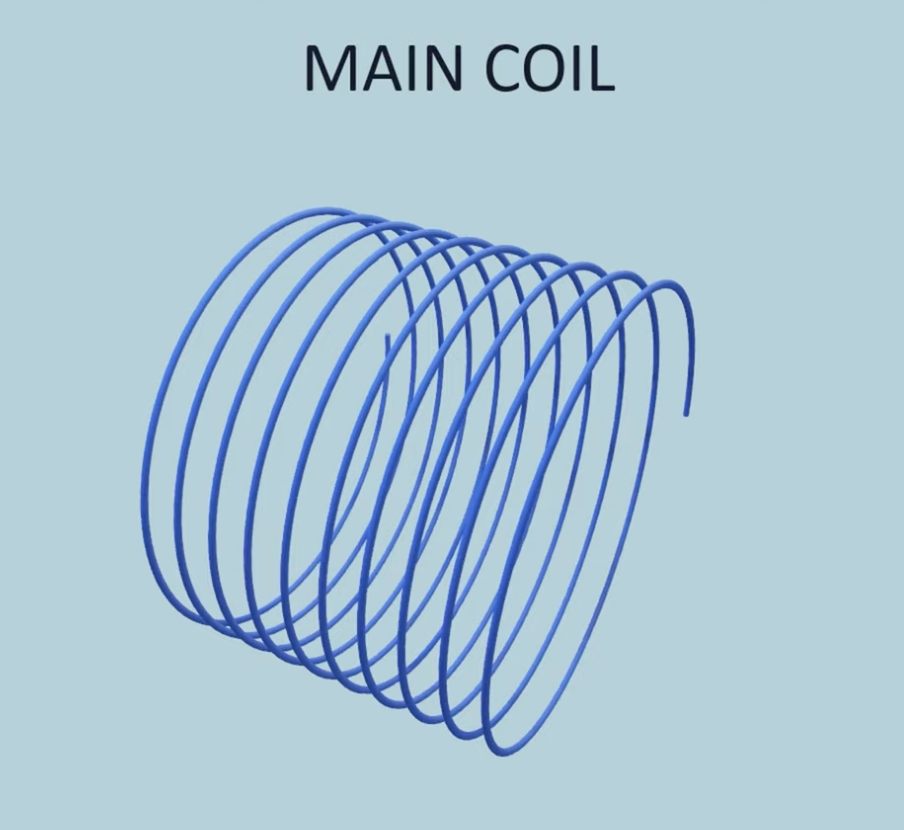
Fig 5. The main coil inside an MRI scanner. Source: MRI coils explanation [3].
Second, along the z-axis, several subcoils introduce a linear gradient of intensifying magnetic field. As the magnetic field becomes stronger, the Larmor frequency of protons also increases. Thus, the frequency becomes a function of position along the z-axis, also known as the technique of Motion Encoding Gradients (MEG).
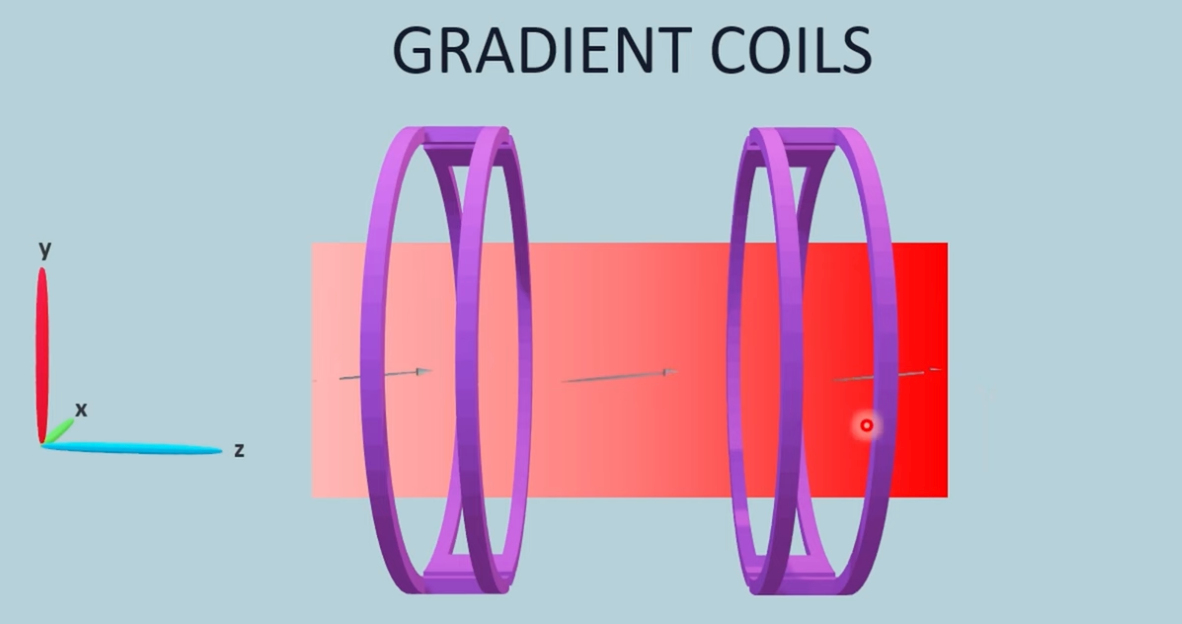
Fig 6. Gradient coils showing a linear gradient. Source: MRI coils explanation [3].
Finally, the RF coil delivers specific frequencies, perturbing only the protons whose natural precession frequency matches the RF. Each snapshot is a 2D picture which is stacked into a 3D structure of the brain.
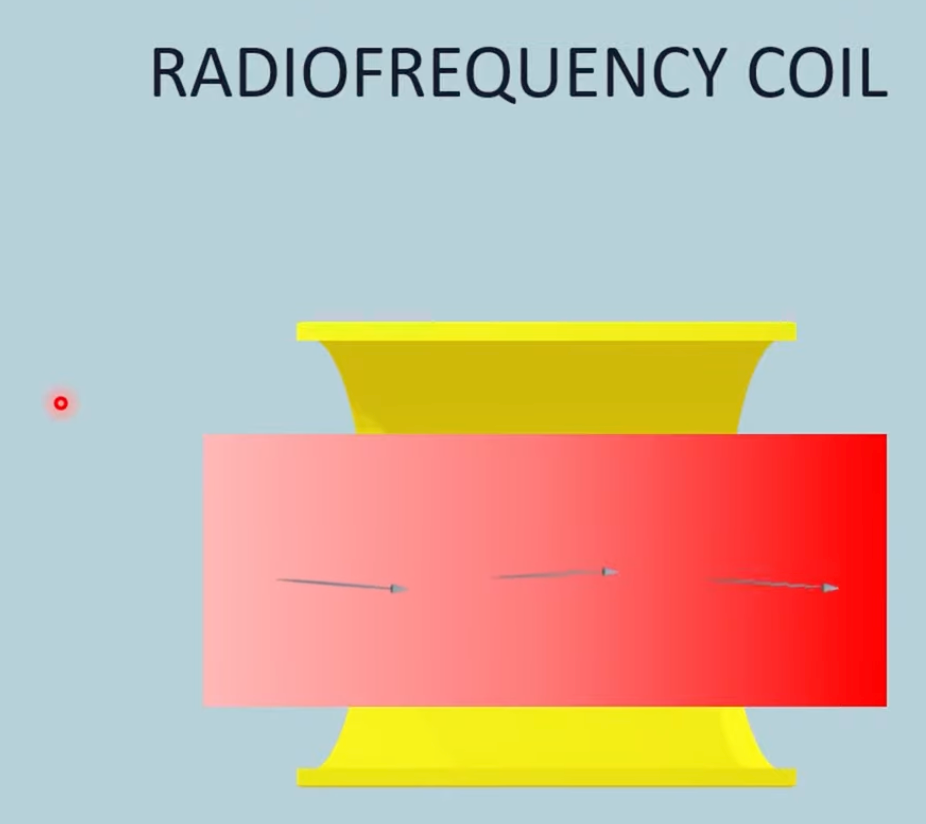
Fig 7. The RF coil inside MRI. Source: Source: MRI coils explanation [3].
8.33. MRI and ultrasound, one after the other
8.33. MRI and ultrasound, one after the other
As the ultrasound stimulates, MRI watches the brain activity. However, the biological tissue behaves like an overdamped harmonic system: it shifts positions during ultrasound, and a bit after the sound turns off, relaxes back to the original spot. Simultaneously stimulating and recording with MRI is not actually the optimal approach. The displacement as a function of time can be modelled as:
D_rise(t) = (F/k)(1 − e^(−t/τ_rise))
D_fall(t) = D(T_off) · e^(−t/τ_fall)
K is a proportionality constant resembling the k in Hooke’s law, while τ_rise and τ_fall resemble the capacitor discharge constant. For brain tissue, the rise time is roughly 5.97 milliseconds with a shear wave speed of 1.56 m/s [4].
Brain tissue is heterogeneous in stiffness. (Side note: one modern challenge in neurotechnology is to match the stiffness of the brain with the implant so that it doesn’t get squished.) Young’s modulus provides a measure of strain [7]:
E = stress / strain = (F · L₀) / (A · ΔL)
If an area is destroyed by heat (a common scenario when ablating brain tumours with ultrasound) ΔL decreases, effectively increasing overall stiffness.
Considering the delayed movement of protons in the magnetic field in response to the ultrasound, a phase shift is accumulated. The phase is the time integral of the motion:
ϕ = γ ∫(T₀ to T_enc) G(t) D(t) dt
Since researchers noticed the damping, they invented a method by shifting the focused ultrasound pulse to a few milliseconds before the MRI gradient begins, described in the MR-ARFI paper [4], which was used in the Lucas Centre’s study.
8.44. Skull problems and Full Waveform Inversion
8.44. Skull problems and Full Waveform Inversion
Now, if the wet tissue causes problems by being a damped harmonic system, then the skull also produces problems by being too stiff and smearing the signals. The skull has a higher speed of sound (˜3500 m/s) compared to soft tissue (˜1500 m/s). Similarly, MRI itself only has millimetre imaging resolution, while the displacement caused by ultrasound is on the order of a few microns—too tiny to see.
Skull aberrations are difficult to correct for. There are two recent solutions. In the original MR-ARFI paper [4], the approach is to poke the brain and measure in a loop until the tissue displacement is maximised. Another approach borrows from a mature technique originally for modelling hydrocarbons in the Earth, viewing the human head as a geological structure. This is known as Full Waveform Inversion (FWI) [5].
8.4.14.1 The FWI Algorithm
8.4.14.1 The FWI Algorithm
FWI is an iterative optimisation process to find a computational model that reproduces experimental data.
Step 1: Forward model. It starts with a default model of the brain tissue and propagates the wave forward. It computes the acoustic wave equation—a manifestation of Newton’s second law in continuous media—discretised as:
Au = s
where A is a large, sparse matrix representing the discretised wave equation, u is the pressure wavefield (a solution at every point in space and time), and s is the source vector.
Step 2: Cost function. It compares the predicted data with experimental data produced by the transducers to create a cost function that it seeks to minimise:
f = ½ (p − d)ᵀ (p − d)
Here, p and d represent the predicted and observed data, respectively, as vectors.
Step 3: Gradient descent via chain rule. To minimise the cost, it uses gradient descent. The gradient of the cost function is computed with the chain rule:
∂f/∂mᵢ = [∂p/∂mᵢ]ᵀ (p − d)
The intuition is to proceed with backpropagation:
∂f/∂mᵢ = (∂f/∂p) · (∂p/∂u) · (∂u/∂mᵢ)
We have respectively: the loss derivative, the data operator, and forward sensitivity. However, computing ∂u/∂mᵢ directly is impossible: u is a huge continuous vector representing the forward wave, and m(x) is a huge continuous field rather than discrete parameters as one typically encounters in machine learning. For a 3D model of submillimetre resolution, we would need to solve 100 million individual parameters m simultaneously.
Step 4: The adjoint method. Fortunately, one can bypass computing du/dm and rather only compute its effects on a vector. Imagine playing the wave from the source back to the target, stepping backwards in time in the wave equation by taking advantage of Aᵀ, the time-reversed propagation operator. This is the adjoint method.
Differentiating Au = s with the product rule applied to A(m)u(m) and noting s is a constant:
A (∂u/∂mᵢ) + (∂A/∂mᵢ) u = 0
Isolating the wavefield gradient (assuming A is invertible, i.e. the wave equation has a unique solution):
∂u/∂mᵢ = −A⁻¹ (∂A/∂mᵢ) u
Substituting back and using the property of transposes:
∂f/∂mᵢ = −uᵀ (∂Aᵀ/∂mᵢ) A⁻ᵀ Rᵀ (p − d)
Finally, the algorithm matches the backwards wavefield with the forward wavefield, requiring in total only 2 solves per iteration compared to 10⁸ solves. By using this efficiency trick, the researchers chunked 32 hours of computing into a process that could run under 10 minutes on a small GPU array [5]. Ultrasound becomes much more focused and a powerful tool.
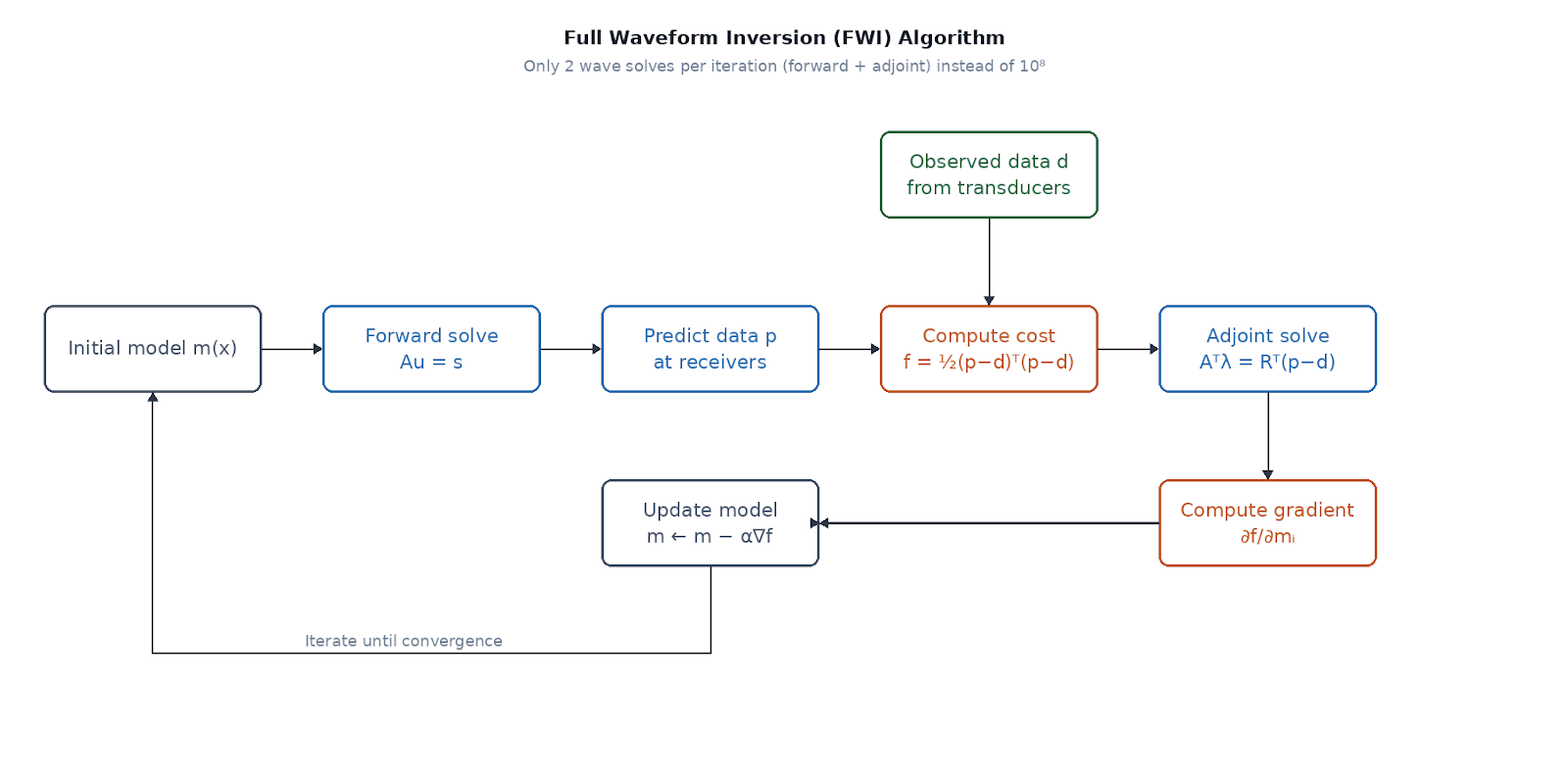
Fig 8. Flowchart of the Full Waveform Inversion algorithm with credits to claude
8.55. The local curvature in San Francisco
8.55. The local curvature in San Francisco
In San Francisco, focused ultrasound has been having a moment since the end of 2024, with the rise of the transcranial focused ultrasound society (tFUS society) and collaborations with local non-profits, including Foresight Institute, Frontier Tower, Stanford University, and the Neurotech at Berkeley. What a time to be alive!
8.5.1References
8.5.1References
[1] Acoustic wave equation. Wikipedia. https://en.wikipedia.org/wiki/Acoustic_wave_equation
[2] Walsh, W. MRI Basics. University of Pennsylvania. https://www.sas.upenn.edu/~wwalsh/MRI%20BASICS.html
[3] MRI coils explanation. YouTube. https://www.youtube.com/watch?v=EMeAC50zjFg
[4] Krug, J. et al. MR-ARFI. Journal of Magnetic Resonance Imaging. https://doi.org/10.1002/jmri.29712
[5] Guasch, L. et al. “Full-waveform inversion imaging of the human brain.” NPJ Digital Medicine, 2020. https://pmc.ncbi.nlm.nih.gov/articles/PMC7060331/
[6] Deffieux, T. et al. Nature Reviews Neurology, 2020. https://www.nature.com/articles/s41582-020-00418-z
[7] Young’s modulus. Wikipedia. https://en.wikipedia.org/wiki/Young%27s_modulus
[8] Guasch, L. et al. Nature Digital Medicine, 2020. https://www.nature.com/articles/s41746-020-0240-8/figures/2
Lab equipment 9Assembling a laser cutter [note-0002]
- 12-01-2025
- Yoyo
Lab equipment 9Assembling a laser cutter [note-0002]
- 12-01-2025
- Yoyo
work in progress
Lab equipment 10Assembling a microdrone [note-0003]
- 12-01-2025
- Yoyo
Lab equipment 10Assembling a microdrone [note-0003]
- 12-01-2025
- Yoyo
work in progress
Non-fiction 11Explaining hikikomori in Japan [note-0018]
- 12-01-2025
- Yoyo
Non-fiction 11Explaining hikikomori in Japan [note-0018]
- 12-01-2025
- Yoyo
work in progress